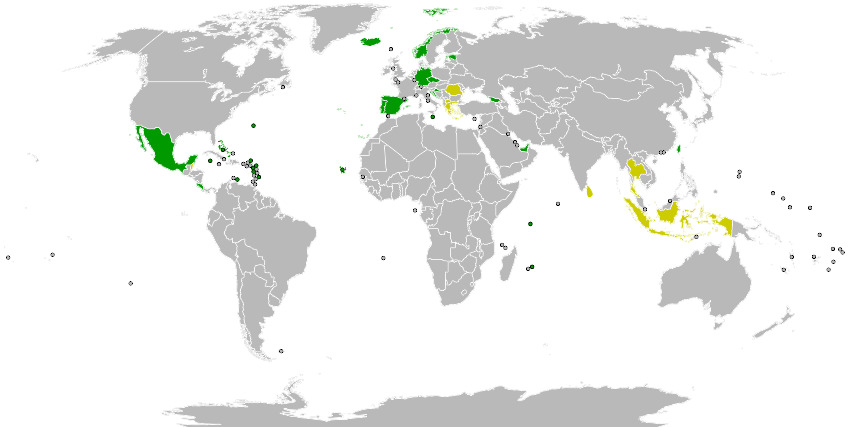
More than 50 countries now offer digital nomad visas as remote work continues to reshape global mobility. These specialized visa programs allow professionals earning income outside the host country to live abroad legally while continuing to work remotely for employers or clients elsewhere.
Countries worldwide are competing to attract remote workers, recognizing the economic benefits these location-independent professionals bring. From established European destinations to emerging markets, the options for digital nomads continue to expand at an unprecedented pace.
European Favorites
Spain has emerged as a premier destination, with Barcelona attracting remote professionals through new digital nomad visa programs. The country’s warm climate, affordable cost of living, and established expat communities make it particularly attractive to American and Northern European remote workers.
Portugal continues to be popular, offering the D8 visa for independent workers with a straightforward application process and access to the entire Schengen Area. Lisbon and Porto have become global hubs for remote professionals, with coworking spaces and nomad-friendly cafes on nearly every corner.
Greece offers a digital nomad visa that allows remote professionals to live in the country while working for companies outside Greece, with favorable tax treatment for qualifying individuals. The program includes a 50% income tax reduction for the first seven years, making it one of the most financially attractive options in Europe.
Italy recently introduced its digital nomad visa aimed at attracting highly skilled remote professionals and freelancers. The visa reflects Italy’s efforts to attract talent and combat population decline in certain regions, particularly in the south where housing costs remain remarkably low.
Croatia launched its digital nomad visa in 2021, offering a one-year stay with no income tax on foreign earnings. The country’s stunning Adriatic coastline, affordable living costs, and growing tech scene in cities like Split and Zagreb have made it a rising star among digital nomad destinations.
Emerging Destinations
Costa Rica launched a digital nomad visa designed to attract remote workers seeking longer stays in the country’s tropical paradise. The visa allows stays of up to two years, with extensions possible, and requires proof of a monthly income of at least $3,000.
Colombia has quietly become one of Latin America’s top digital nomad destinations, with Medellín leading the charge thanks to its spring-like weather year-round and thriving expat community. The country’s digital nomad visa requires a minimum monthly income of approximately $684 and grants stays of up to two years.
Thailand introduced its Long-Term Resident visa in 2022, targeting remote professionals with a minimum annual income of $80,000. While the income threshold is higher than most programs, the visa offers benefits including a 17% personal income tax rate and stays of up to 10 years.
The United Arab Emirates launched its remote work visa in 2020, allowing professionals to live in Dubai or Abu Dhabi for one year with a minimum monthly income of $5,000. The program has attracted thousands of remote workers drawn to the city’s world-class infrastructure, zero income tax, and cosmopolitan lifestyle.
Malaysia’s DE Rantau program targets digital professionals and freelancers, offering a three-month visa that can be renewed for up to 12 months. The program requires a minimum annual income of $24,000 and has positioned Kuala Lumpur as an affordable gateway to Southeast Asia.
Key Considerations Before Applying
Before pursuing a digital nomad visa, research the specific income requirements, as these vary dramatically between countries. Some nations like Barbados require proof of $50,000 annually, while others like Georgia have no minimum income threshold for their Remotely from Georgia program.
Tax implications are crucial to understand before relocating, as some countries tax worldwide income while others offer exemptions for foreign-earned income. Consulting with an international tax professional can save you significant money and prevent legal complications down the road.
Healthcare access varies significantly between digital nomad destinations, so ensure you have comprehensive international health insurance before departing. Many visa programs require proof of health coverage as part of the application process.
Internet reliability should be a top priority when choosing your destination, as consistent connectivity is non-negotiable for remote work. Research average internet speeds and coworking space availability in your target cities before committing to a visa application.
The digital nomad visa landscape continues evolving rapidly, with new programs launching and existing ones being updated regularly. Staying informed through official government sources and nomad communities ensures you make the best decision for your remote work lifestyle.
Whether you’re drawn to European charm, tropical beaches, or urban energy, there’s likely a digital nomad visa program that fits your needs and budget. The key is thorough research, proper preparation, and choosing a destination that aligns with both your professional requirements and personal preferences.