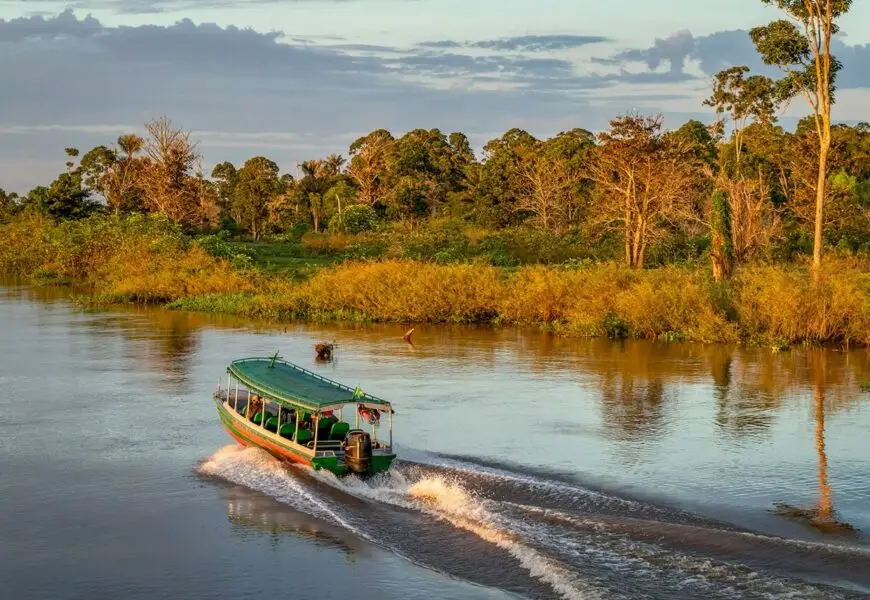
Brazil is positioning itself as the world’s premier ecotourism destination, with a curated list of ten breathtaking nature travel experiences released to mark Earth Day 2026. As climate uncertainty reshapes how travelers choose destinations and timing, Brazil’s extraordinary biodiversity — encompassing the Amazon Rainforest, the Pantanal wetlands, and ecosystems found nowhere else on Earth — offers a compelling alternative to conventional tourism.
A Country Built for Sustainable Travel
Brazil contains over 60% of the Amazon Rainforest and the world’s largest tropical wetland, the Pantanal. PlanetaEXO, a Brazil-based ecotourism platform, compiled the list based on local conservation impact and traveler footprint data.
The selection reflects both Brazil’s natural wealth and the growing community of travelers seeking meaning alongside movement. The destinations include river journeys through dense Amazonian canopy, guided nocturnal wildlife expeditions in the Pantanal, and community-led experiences that connect visitors with indigenous knowledge systems.
Each destination is rated on conservation impact, ensuring tourism dollars flow back to ecosystem preservation. This model is increasingly important as remote workers and digital nomads look for longer stays that contribute positively to local environments rather than extract from them.
Climate Uncertainty Drives New Travel Behavior
Booking.com’s 2026 Travel and Sustainability Report reveals that nearly three-quarters of travelers globally now consider extreme weather risk when choosing destinations. For Brazil, this shift is a double-edged sword — rising temperatures in traditional European summer hotspots are pushing travelers toward South America’s more stable shoulder seasons.
Brazil’s ecotourism boom is directly benefiting from this behavioral change, with search volume for sustainable stays in the Pantanal and Amazon regions up 41% year-over-year. Digital nomads, in particular, are extending trips from two-week vacations to month-long immersions, blending remote work with conservation-focused travel experiences.
The 10 Destinations Leading Brazil’s Ecotourism Movement
Among the standout locations is the Mamirauá Sustainable Development Reserve in Amazonas state, the first place in Brazil to offer community-managed wildlife tourism. Visitors can stay in floating lodges and participate in monitoring programs for the endangered white uakari monkey, with 85% of revenue directed to local riverine communities.
The Pantanal’s Refúgio Ecológico Caiman offers one of the best jaguar-watching experiences on the planet, with sighting rates exceeding 90% during the dry season from June to September. This working cattle ranch has converted over 53,000 hectares into a private natural heritage reserve, proving that ecotourism and agriculture can coexist profitably.
Chapada Diamantina in Bahia state draws hikers and remote workers alike with its dramatic tabletop mountains, crystal-clear rivers, and reliable internet in the town of Lençóis. The region has seen a 28% increase in co-working-friendly accommodations since 2024, making it a practical base for location-independent professionals who want daily access to world-class trails.
Fernando de Noronha, an archipelago 350 kilometers off the northeast coast, limits daily visitor numbers to just 500 and charges an environmental preservation fee that funds marine conservation. Its strict carrying-capacity model has become a blueprint for island destinations worldwide struggling with overtourism.
The Ten Destinations list also includes Jalapão State Park, known for its golden sand dunes and natural fervedouros (underwater springs), and the Serra da Capivara National Park, home to the largest concentration of prehistoric rock art in the Americas. Both parks rely heavily on local guides, creating employment in rural communities where economic opportunities are otherwise scarce.
Why This Matters for Remote Workers and Long-Term Travelers
Brazil’s ecotourism boom isn’t just about pretty landscapes — it represents a fundamental shift in how travel economies operate. When you choose a community-led lodge over a multinational hotel chain, your spending supports reforestation projects, anti-poaching patrols, and indigenous education programs.
For digital nomads planning extended stays, Brazil offers a unique combination of affordable living costs, improving digital infrastructure, and access to some of the most biodiverse regions on Earth. A one-month stay in a sustainable lodge in the Pantanal can cost as little as $1,200 including meals, guided excursions, and Wi-Fi — a fraction of comparable eco-lodges in Costa Rica or Kenya.
Practical Tips for Planning Your Brazil Ecotourism Trip
Book guided experiences directly through local operators rather than international platforms to ensure the highest percentage of your spending reaches communities. The dry season (May to September) offers the best wildlife visibility in the Pantanal, while the Amazon is most accessible by boat from June through November when water levels recede.
Pack reef-safe sunscreen and biodegradable toiletries, as many ecotourism destinations in Brazil are located near sensitive aquatic ecosystems. Consider purchasing carbon offsets for your flights — several Brazilian NGOs now offer verified programs that fund Amazon reforestation directly.
Brazil’s ecotourism boom is proof that travel can be a force for regeneration rather than depletion. Whether you’re a weekend adventurer or a full-time remote worker seeking your next base, these ten destinations offer a blueprint for experiencing the natural world responsibly — and leaving it better than you found it.