The possibility of the United Arab Emirates stepping away from OPEC has sent ripples through the financial world, prompting investors to reconsider their strategies. While the UAE remains a member for now, the friction regarding production quotas and the desire for energy independence suggest a significant shift is on the horizon. This potential move is not just a geopolitical footnote. It represents a fundamental change in how oil will be priced and traded globally. For those holding assets in energy markets, this is a critical moment to pay attention.
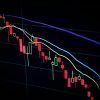
If the UAE were to leave OPEC, the immediate consequence would likely be an increase in their oil output. Freed from the cartel’s strict production limits, the country would likely ramp up extraction to capitalize on its massive reserves. This sudden surge in supply would flood the market. Basic economic principles suggest that increased supply generally leads to lower prices. Consequently, global oil prices could experience a sharp decline. We might see Brent crude drop significantly, breaking through key support levels that traders have watched closely for years.
For the average investor, this volatility creates both risk and opportunity. Energy stocks, particularly those heavily invested in upstream production, would likely see their share prices tumble. Companies that rely on high oil prices to maintain profitability would suffer. However, this is not a signal to exit the market entirely. It is a signal to rotate sectors. Investors should look at industries that benefit from lower energy costs, such as transportation and logistics. Airlines and shipping companies, for example, often see their margins expand when fuel prices drop. Buying into these sectors before a major price shift could yield significant returns.
The landscape of exchange-traded funds would also shift in response to an OPEC exit. Broad energy ETFs might lose value, but inverse ETFs that profit when oil prices fall would become attractive. Smart investors might start allocating a small portion of their portfolio to these hedging instruments. Diversification becomes more than just a buzzword in this scenario. It becomes a survival mechanism. You cannot rely solely on the performance of oil giants. You need to spread your bets across commodities that are not tied to the whims of a single cartel.
Digital nomads, who often manage their finances while traversing the globe, face unique implications in this scenario. Many nomads hold investment portfolios that are heavily weighted toward US technology stocks. There is a distinct correlation between oil prices and inflation. When oil prices drop, inflationary pressures tend to cool down. This creates a favorable environment for tech stocks. Lower inflation means the Federal Reserve might be less aggressive with interest rate hikes. Growth stocks typically rally in that environment. Therefore, a UAE exit could indirectly boost the retirement accounts of digital nomads living in Bali or Lisbon.
However, the impact on the cost of living is a double-edged sword. Lower oil prices eventually translate to cheaper gasoline and lower energy bills. This is a welcome relief for nomads living in expensive cities or those who travel frequently by car. Yet, many popular nomad destinations are net importers of oil. If the UAE floods the market, it could destabilize the economies of oil-exporting nations where some nomads currently reside. Currency fluctuations in these regions could make local expenses more volatile. A nomad living in an oil-dependent country might find their purchasing power eroding if the local currency weakens against the dollar.
The UAE itself presents a compelling case study for real estate investors among the nomad community. Dubai has positioned itself as a global hub for remote workers. If the UAE leaves OPEC and pursues independent production, it is doubling down on its economic diversification. This strengthens the long-term viability of the Dirham and the Dubai real estate market. Nomads looking to park their capital in property might find the UAE an even more stable harbor. The government is clearly signaling that it will not be held back by cartel agreements if it hinders their growth.
Practical advice for investors right now involves watching the production numbers closely. Do not wait for an official announcement to adjust your portfolio. The market often prices in these moves months before they happen. Look for divergence between Saudi Arabian and UAE energy policies. If the UAE consistently ignores OPEC+ quotas, treat it as a de facto exit. Reduce exposure to high-cost oil producers. Increase liquidity so you can snap up bargains when the market overreacts to the downside.
For digital nomads, this is a reminder to keep their assets geo-politically agile. Do not keep all your investments tied to the energy sector of a single region. Consider the “digital nomad tax” implications of capital gains. If you rebalance your portfolio to profit from falling oil prices, you might generate short-term gains. Understanding how your current country of residence taxes these gains is crucial. A nomad in a zero-tax jurisdiction has a different advantage than one in a high-tax European country.
The broader economic signal here is one of fragmentation. OPEC has controlled the spigot for decades, but the UAE’s potential departure signals the end of that total monopoly. We are moving toward a more competitive energy market. Competition drives efficiency and lowers costs. While this creates short-term chaos for oil bulls, it is excellent news for the global consumer. Investors who pivot quickly will find that the chaos opens doors to new growth sectors that have been stifled by high energy prices for too long.
Ultimately, the UAE leaving OPEC would be a reset button for the energy complex. It would force a re-rating of risk across the board. Smart investors will look past the initial headlines of falling prices. They will see the structural changes taking place in the global economy. Whether you are trading from a home office or a beach in Thailand, the principles remain the same. Follow the supply, watch the inflation data, and adjust your exposure before the herd catches on. The market rewards those who anticipate the fracture, not those who are surprised by it.