The August 2026 total solar eclipse is set to become the travel event of the decade.
Across Spain and Iceland, bookings are already soaring, and both countries are preparing for a wave of eclipse‑chasing tourists.
From the sun‑kissed beaches of Andalusia to the icy fjords of Iceland, the path of totality offers dramatically different backdrops, each promising unforgettable photo opportunities.
Travel agents are bundling eclipse‑focused itineraries with local culture, making it easier than ever to combine astronomy with authentic experiences.
In Spain, the eclipse will be visible in full from the historic city of Granada, where the Alhambra’s arches will frame the darkening sky.
Visitors can join guided tours that start at sunset, include a tapas tasting, and end with a prime viewing spot on the Sierra Nevada foothills.
The itinerary typically includes a sunrise hike, a midday museum visit, and a night of stargazing at the Observatorio del Teide.
For those on a tighter budget, the city of Valencia offers public viewing areas in the Turia Gardens, where local volunteers hand out solar glasses and share eclipse facts.
Public transport runs extra shuttles on eclipse day, ensuring easy access from the city center to the best viewing zones.
Meanwhile, Iceland’s remote Westfjords will host a small but passionate community of astronomers and photographers eager to capture the eclipse over the Atlantic.
Because the island’s weather is notoriously fickle, experts recommend booking flexible accommodations that allow last‑minute changes.
One popular strategy is to reserve a base in Ísafjörður and rent a 4×4 vehicle to chase clear skies across the peninsula.
Local tour operators provide real‑time weather updates via a dedicated app, helping travelers pivot to the clearest spot within minutes.
For a truly unique experience, consider staying at a geothermal lodge near the village of Hólmavík, where you can soak in hot springs while the moon’s shadow passes overhead.
The lodge’s rooftop deck is equipped with a high‑precision solar filter, allowing safe, close‑up observation without sacrificing comfort.
Both countries are seeing a surge in specialized eclipse merchandise, from custom‑printed T‑shirts to locally crafted eclipse glasses that meet ISO 12312‑2 standards.
If you’re buying glasses online, verify the manufacturer’s certification number and avoid cheap imports that may lack proper filtration.
Travel insurance that covers weather‑related cancellations is now a must‑have, especially for Iceland where cloud cover can ruin a viewing plan.
Many insurers are offering short‑term policies that include reimbursement for alternative activities if the eclipse is missed.
In Spain, the government has designated several “eclipse zones” where traffic is limited and pedestrian areas are expanded, creating safer viewing environments.
These zones often feature live commentary from astronomers, making the experience both educational and entertaining.
For families traveling with children, the city of Seville has set up an interactive science fair in the Plaza de España, where kids can learn about solar phenomena through hands‑on experiments.
The fair includes a solar oven demonstration, letting youngsters bake s’mores while the eclipse approaches.
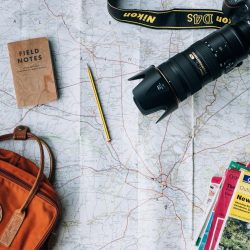
Photography enthusiasts should bring a solar filter for their lenses and a sturdy tripod; a remote shutter release can further reduce camera shake during the brief totality.
Experts suggest using a focal length of 400‑600 mm to capture the corona’s delicate structures without overexposing the surrounding landscape.
In Iceland, the low‑light conditions after totality create perfect opportunities for aurora photography, especially if the eclipse coincides with a geomagnetic storm.
Check the space weather forecast a few days before travel and bring a fast lens (f/2.8 or wider) to maximize your chances of catching the Northern Lights.
Local cafés in Reykjavik are offering “eclipse brunch” menus, pairing traditional Icelandic dishes like skyr and rye bread with themed desserts shaped like the sun and moon.
These eateries also provide complimentary eclipse glasses and a brief talk on the science behind the event.
Transportation logistics are crucial: Spain’s high‑speed AVE trains run extra services between Madrid, Granada, and Seville on August 12, while Iceland’s domestic flights are offering discounted fares to Akureyri, the northern gateway to clear‑sky locations.
Booking these tickets early not only secures a seat but also locks in lower prices before the holiday rush.
Lastly, remember to respect local customs and the environment; many viewing sites are in protected areas, so pack out all waste and stay on designated paths.
By planning ahead and embracing the unique offerings of both Spain and Iceland, you’ll turn a celestial spectacle into a lifelong memory.