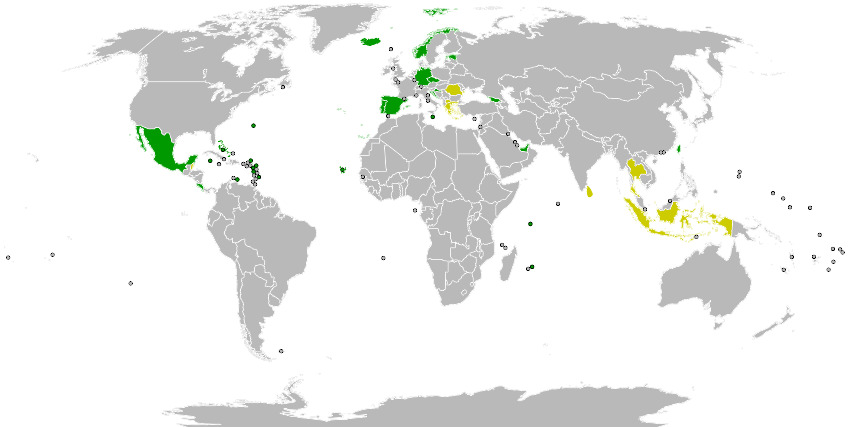
More than 50 countries worldwide now offer digital nomad visas as remote work continues to reshape global mobility patterns. These specialized visa programs allow professionals earning income outside the host country to live abroad legally while continuing to work remotely for employers or clients elsewhere.
The proliferation of digital nomad visa programs reflects a fundamental shift in how governments view remote work and global talent. Countries that once relied primarily on traditional work visas are now creating pathways specifically designed for location-independent professionals who can contribute to local economies without displacing domestic workers.
These visa programs typically require proof of remote employment or freelance income, health insurance coverage, and sometimes a minimum income threshold. The specific requirements vary significantly by country, with some offering streamlined processes and others requiring more extensive documentation.
Portugal remains one of the most popular destinations, having pioneered its Digital Nomad Visa that allows remote workers to live in the country while earning income from companies outside Portugal. The visa can eventually lead to residency pathways for those wishing to make the move permanent.
Italy recently introduced its own digital nomad visa aimed at attracting highly skilled remote professionals and freelancers. Meanwhile, Greece offers programs specifically tailored for remote workers, with income thresholds set at approximately €3,500 per month and favorable tax incentives for the first seven years of residency.
Spain joined the movement with its Digital Nomad Visa launched in 2023, allowing stays of up to one year with extensions available for up to five years. The program requires a minimum monthly income of around €2,520 and has quickly attracted thousands of applicants from across Europe and the Americas.
Croatia stands out as one of the earliest adopters in Eastern Europe, offering a one-year digital nomad residence permit with no Croatian income tax on foreign-earned earnings. The country’s stunning coastline and affordable cost of living make it an increasingly attractive option for remote professionals seeking Mediterranean charm.
Estonia made headlines by becoming the first country to offer a dedicated digital nomad visa back in 2020. The Baltic nation’s e-Residency program and advanced digital infrastructure make it a natural fit for tech-savvy remote workers looking for a forward-thinking European base.
Outside Europe, Thailand has emerged as a leading destination in Southeast Asia with its Long-Term Resident visa and the newer Destination Thailand Visa introduced in 2024. These programs cater to digital nomads seeking an affordable lifestyle with world-class infrastructure in cities like Chiang Mai and Bangkok.
Barbados introduced its Welcome Stamp program, allowing remote workers to live on the Caribbean island for up to one year with a minimum income requirement of $50,000 annually. The program has been praised for its simplicity and the island’s reliable internet connectivity.
Dubai has positioned itself as a global hub for remote professionals through its Virtual Working Program, offering a one-year visa with zero income tax and access to the city’s world-class amenities. The UAE’s strategic location between Europe and Asia makes it ideal for professionals managing clients across multiple time zones.
Costa Rica, Mexico, and Colombia have also developed competitive programs targeting the growing community of location-independent workers. Each offers unique advantages, from Costa Rica’s stable democracy to Medellín’s thriving tech scene and Mexico’s cultural richness.
When choosing a digital nomad visa, professionals should carefully evaluate tax implications, as some countries offer special tax regimes while others may require full local taxation. Consulting with an international tax advisor before committing to any program is strongly recommended to avoid unexpected financial obligations.
Internet reliability, cost of living, healthcare quality, and time zone compatibility with clients are equally important factors to research. Many nomads recommend spending a short trial period in a destination before committing to a full visa application to ensure the location truly fits their lifestyle and work needs.
The future of digital nomad visas looks bright, with more countries expected to launch or expand their programs in response to the growing demand for location flexibility. As remote work becomes permanently embedded in corporate culture, these visa frameworks will likely become more standardized and accessible.
For professionals considering the digital nomad lifestyle, the key is thorough research and careful planning. With over 50 countries now competing for global talent, there has never been a better time to explore the world while building a meaningful career from anywhere.