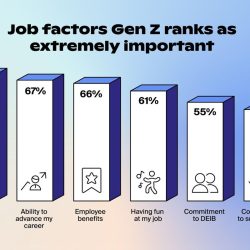
A new report from Cafeteria reveals that Gen Z travelers in 2026 are fundamentally transforming the travel industry through their distinct preferences for experiences, direct bookings, and digital tools. This demographic shift is forcing airlines, hotels, and travel platforms to completely rethink their strategies.
According to the study, modern Gen Z travelers prioritize unique experiences over luxury accommodations. Rather than booking traditional hotel packages, they seek authentic local encounters, adventure activities, and cultural immersion.
This shift has given rise to a new ecosystem of experience-based travel platforms and boutique accommodations. Companies like GetYourGuide, Airbnb Experiences, and Withlocals have seen explosive growth as younger travelers book cooking classes in Lisbon, street art tours in Medellín, and homestay programs in rural Japan.
For digital nomads and remote workers watching these trends closely, the implications are significant. Gen Z’s approach to travel mirrors the values many location-independent professionals already hold — flexibility, authenticity, and meaningful connection over material comfort.
The Direct Booking Revolution
Gen Z has largely abandoned third-party booking platforms in favor of direct relationships with airlines and hotels. This trend has significant implications for the travel industry, as traditional travel agents and aggregators face declining relevance among younger demographics.
Hotels that invest in user-friendly direct booking experiences are seeing better conversion rates from this valuable segment. Marriott, Hilton, and independent boutique properties alike are rolling out app-exclusive rates, loyalty perks, and seamless mobile check-in to capture this audience.
The Cafeteria report found that 67% of Gen Z travelers prefer booking directly with accommodation providers rather than through aggregators like Booking.com or Expedia. This preference stems from a desire for clearer communication, easier modifications, and the perception of better value.
For remote workers planning extended stays, this trend is worth noting. Booking directly often unlocks long-stay discounts, flexible cancellation policies, and the ability to negotiate workspace-friendly room setups that third-party platforms rarely facilitate.
Digital-Native Planning
Unlike previous generations, Gen Z plans travel using social media platforms, video content, and peer recommendations rather than traditional travel guides. TikTok and Instagram have become primary research tools, with young travelers making decisions based on creator content and authentic user reviews.
Google Maps remains essential for navigation, while specialized apps handle everything from currency conversion to visa requirements. The average Gen Z traveler uses between four and seven apps during the trip planning phase alone.
This digital-first approach means that destinations and accommodations with strong social media presence gain a massive competitive advantage. A single viral TikTok video about a hidden coworking café in Bali can drive more bookings than a year of traditional advertising.
Remote workers can learn from this behavior by building their own digital presence. Sharing authentic content about your nomad journey not only documents your experience but also helps fellow travelers discover incredible destinations and workspaces.
Experience Over Luxury
The Cafeteria study highlights that 73% of Gen Z travelers would rather spend their budget on a memorable experience than on a five-star hotel room. This represents a dramatic departure from millennial travel patterns, which still leaned heavily toward aspirational luxury brands.
Instead of rooftop pools and concierge services, young travelers want surf lessons in Ericeira, pottery workshops in Oaxaca, or volunteer opportunities with local conservation projects. They measure the value of a trip by the stories they collect, not the thread count of their sheets.
This experience-driven mindset aligns perfectly with the digital nomad philosophy that WorkAwayLife champions. When your office can be anywhere, the quality of your surroundings and the depth of local engagement matter far more than hotel star ratings.
Boutique hostels, coliving spaces, and community-oriented accommodations are thriving as a result. Selina, Outsite, and countless independent coliving operators have built their entire business model around this generational preference for connection and experience.
What This Means for Remote Workers
The Gen Z travel revolution isn’t just a trend to observe — it’s a playbook that remote workers can actively adopt. Embracing direct bookings, leveraging social media for trip planning, and prioritizing experiences over luxury can dramatically improve both the quality and affordability of your nomadic lifestyle.
Start by following travel creators on TikTok and Instagram who share authentic, budget-conscious content. Build relationships with accommodation providers directly, especially if you’re planning month-long stays in popular nomad hubs.
Most importantly, shift your travel mindset from consuming destinations to engaging with them. Take a language class, join a local hiking group, or work from a neighborhood café where the barista knows your name by the second visit.
The future of travel belongs to those who value connection, flexibility, and authenticity — values that have defined the digital nomad movement long before Gen Z made them mainstream. As the travel industry continues to evolve around these preferences, remote workers are uniquely positioned to thrive in this new landscape.
At WorkAwayLife, we believe the best trips aren’t measured in miles or hotel points — they’re measured in the people you meet, the skills you gain, and the perspectives you carry home. Gen Z is just catching up to what nomads have known all along.