Kevin Warsh’s first decision as a Federal Reserve governor has set the tone for a year of cautious optimism, especially for the growing community of digital nomads and remote workers who live on the edge of global markets.
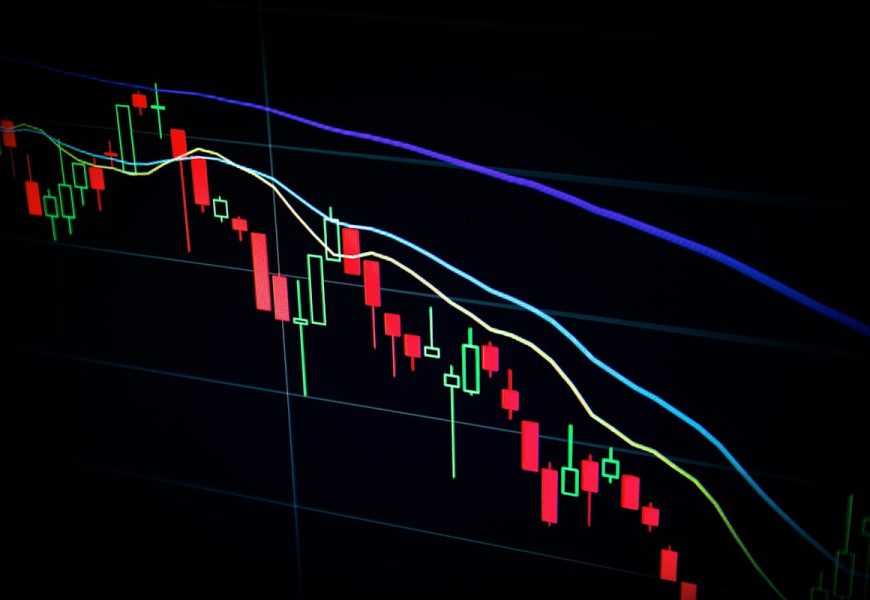
When the Fed announced it would keep rates steady, the immediate reaction was a slide in equity markets that left many investors scratching their heads.
Warsh, a former Goldman Sachs trader, emphasized that “the data still supports a patient approach,” a mantra that resonates with anyone who funds a laptop lifestyle through freelance gigs, crypto earnings, or cross‑border investments.
For remote workers, the Fed’s stance means borrowing costs stay low, keeping the cost of a mortgage in Lisbon or a co‑working space in Bali within reach.
That stability also cushions the volatility that can make crypto wallets and stock portfolios feel like a roller coaster.
In the past six months, a surge of remote talent has turned cities like Medellín, Chiang Mai, and Tbilisi into digital hubs, and each of those economies feels the ripple of U.S. monetary policy.
When rates rise, capital tends to flow back to higher‑yielding U.S. assets, draining liquidity from emerging‑market currencies that many nomads use for day‑to‑day expenses.
Warsh’s decision to hold rates therefore protects the dollar’s relative strength without prompting a sudden capital flight that could devalue the pesos, baht, or lari that many remote workers depend on.
It’s a subtle win for anyone budgeting in multiple currencies.
At the same time, the market slide that followed the announcement reminded us that confidence can be fragile.
Investors worried that the Fed might be “on the brink” of a rate hike cycle, even though Warsh signaled a data‑driven approach.
That anxiety spilled over into tech stocks, which many digital nomads watch closely because they often hold shares in startups or remote‑work platforms.
For freelancers who rely on venture‑backed tools like project‑management SaaS, a dip in tech valuations can translate into slower product upgrades or tighter pricing.
Yet the longer‑term outlook remains positive.
Warsh’s message was clear: the Fed will adjust only if inflation stays stubborn.
That means the low‑interest environment that fuels cheap credit for small business loans and personal lines of credit is likely to persist for now.
Remote workers planning to launch a side hustle—whether a dropshipping store, an online course, or a consulting practice—can still count on affordable financing.
In practice, this translates to lower monthly payments on equipment leases, such as high‑end cameras or ergonomic office furniture, which are essential for a professional remote setup.
Even the cost of travel insurance, a line item often overlooked, benefits from stable rates because insurers can price policies without factoring in sudden spikes in borrowing costs.
On the flip side, the market slide reminded us that diversification remains crucial.
Nomads who keep all their savings in a single currency or a single asset class are exposed to sudden swings that can erode purchasing power.
Warsh’s steady‑hand approach encourages a balanced portfolio: a mix of U.S. Treasuries for safety, emerging‑market bonds for yield, and a modest slice of equities for growth.
For those who trade crypto, the Fed’s decision can be a double‑edged sword.
Stable rates tend to keep fiat currencies strong, which can pressure crypto prices downward, but the reduced risk of a sudden rate hike also means less panic‑selling.
Many remote workers treat crypto as a hedge against inflation, and Warsh’s data‑driven stance suggests that the Fed won’t rush to tighten policy unless inflation truly spikes.
This gives crypto investors a bit more breathing room to plan long‑term strategies rather than reacting to every Fed whisper.
Beyond finances, the decision has cultural implications.
When interest rates stay low, governments in popular nomad destinations can continue funding infrastructure projects—better internet, improved public transport, and more coworking spaces.
These improvements directly impact the quality of life for remote workers who rely on reliable connectivity and affordable work environments.
In cities like Porto and Canggu, we’re already seeing new fiber‑optic lines and government‑backed startup incubators that cater to a globally distributed workforce.
Warsh’s measured approach also signals that the Fed is not in a hurry to trigger a recession, which would have ripple effects across global employment.
A global slowdown could reduce demand for freelance services, especially in sectors like travel blogging, virtual tourism, and international consulting.
By keeping the economy on a stable footing, the Fed indirectly supports the demand for the very services that digital nomads provide.
What does this mean for the average remote worker planning the next move?
First, keep an eye on inflation reports—Warsh has made it clear that data will drive any future rate changes.
Second, maintain a diversified savings strategy that can weather both market dips and currency fluctuations.
And third, take advantage of the current low‑cost borrowing environment to invest in tools, training, and travel that can boost your earning potential.
In the end, Kevin Warsh’s first Fed decision is less about a headline number and more about the subtle ways it shapes the financial ecosystem that remote workers navigate daily.
For those who live without borders, a steady interest rate is a quiet ally, keeping the cost of living, borrowing, and investing predictable enough to focus on what matters most—creating, exploring, and connecting across the world.