Working from a hostel or cafe sounds romantic until you realize your “desk” is a wobbly table, the music is a random playlist of 2000s pop, and someone just bumped your elbow into your coffee. Building a productive home office in a shared environment is a skill, not a fantasy, and it starts with accepting that you cannot control the space — only your gear, your schedule, and your boundaries. The good news is that with a few smart choices, you can turn almost any corner into a place where real work gets done.
The first investment that pays for itself immediately is a pair of noise-canceling headphones. The Sony WH-1000XM5 and the Bose QuietComfort Ultra are the two most recommended models for remote workers in 2024, and both reduce background chatter and espresso-machine hiss to a low hum. If you are on a tighter budget, the Anker Soundcore Space Q45 offers about 80 percent of the performance at roughly a third of the price. Headphones do more than play music — they signal to people around you that you are in deep work, which reduces interruptions even before you press play.
Next, think about your actual surface. A portable laptop stand like the Roost V3 or the Nexstand K2 lifts your screen to eye level and folds down to the size of a water bottle. Pair it with a compact folding keyboard — the Logitech K380 is a favorite because it switches between three devices and runs on two AAA batteries for up to two years. This setup turns a cafe table into an ergonomic workstation in under two minutes, and your neck and shoulders will notice the difference by the end of the first week.
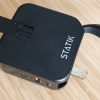
Power is the hidden bottleneck in any shared space. A 20,000 milliamp-hour power bank such as the Anker Prime 27,650 mAh can charge a laptop through USB-C power delivery, and it fits in a daypack. Scout your chosen spot for outlets before you commit to it for the afternoon — hostel common rooms often have one outlet per four beds, so arriving early or choosing a corner seat near a wall gives you a real advantage. Some workers also carry a small multi-outlet extension strip, which is a quiet power move when you find a single available plug.
Choosing the right time of day matters as much as choosing the right gear. Most cafes are quietest between 10 a.m. and noon on weekdays, before the lunch rush, and hostels tend to empty out between 9 a.m. and 2 p.m. when other travelers are exploring. If your work allows any flexibility, batch your deep-focus tasks into those windows and save emails and admin for the louder afternoon hours. This single scheduling shift can double your output without changing anything else.
Distraction management goes beyond headphones. Apps like Cold Turkey and Freedom block social media and news sites across all your devices, and setting a 90-minute focus session creates a container that feels surprisingly similar to a private office. One effective hack is to use a visual timer — a small Time Timer or even a phone app with a red disk that shrinks — because seeing time physically pass keeps you anchored in the task when the environment around you is chaotic.
Finally, set a clear end time for your cafe or hostel work session. The temptation to keep going is real, especially when the atmosphere is pleasant, but decision fatigue sets in faster in shared spaces than in a dedicated home office. A hard stop at 5 or 6 p.m. gives you a reason to push through distractions during the day and protects your evening for rest, which is the real foundation of sustained productivity on the road.