Colombia has quietly become one of the most compelling destinations for location-independent professionals, and for good reason. The country offers affordable living costs, reliable internet infrastructure in major cities, and a growing community of digital nomads who have already made the move. If you are considering Colombia for remote workers, there are some practical details worth understanding before you book your flight.
Medellín and Bogotá are the two cities that attract the most international remote workers, but they offer very different experiences. Medellín sits in the Aburrá Valley at around 1,500 meters of elevation, which keeps temperatures in the mid-70s year-round. The city has invested heavily in public transit, including a metro system and cable cars that connect hillside neighborhoods to the center. Bogotá, on the other hand, is a sprawling capital at 2,640 meters above sea level with cooler weather and a faster pace of life closer to what you might expect from a major Latin American metropolis.
Choosing the right neighborhood matters more than most newcomers realize. In Medellín, El Poblado is the most popular starting point because of its concentration of cafés, coworking spaces, and English-speaking locals, though it has become noticeably more expensive over the past few years. Laureles offers a more residential feel with tree-lined streets, local restaurants, and rents that run roughly 20 to 30 percent lower than comparable apartments in Poblado. In Bogotá, Chapinero and the area around Parque 93 tend to attract remote workers, while La Candelaria appeals to those who want to be near cultural landmarks but can be noisy and less comfortable for daily work.
Getting connected quickly is essential, and Colombia makes this easier than many countries. You can purchase a prepaid SIM card from Claro, Movistar, or Tigo at any airport or shopping center with nothing more than your passport. A basic data plan with 20 to 30 gigabytes typically costs between 20,000 and 40,000 Colombian pesos per month, which converts to roughly five to ten US dollars. Claro generally offers the widest coverage outside urban centers, which matters if you plan to travel to smaller towns or coffee country on weekends.
The coworking scene in Colombia for remote workers has matured significantly since 2020. Selina operates locations in both Medellín and Bogotá with day passes starting around $15, though the atmosphere leans more toward socializing than deep focus. Spaces like Atom House in Medellín and Bogotá’s La Haus cater specifically to professionals who need reliable Wi-Fi, ergonomic desks, and quiet meeting rooms. Many nomads also work directly from specialty coffee shops, where a single espresso can buy you two or three hours of comfortable seating.
A few common scams target foreigners, and awareness is your best defense. Taxi drivers in both cities sometimes claim the meter is broken and quote inflated flat rates, so using apps like Cabify or InDriver eliminates this problem entirely. Another scheme involves someone offering to help you use an ATM, then swapping your card or watching you enter your PIN. Stick to machines inside banks or shopping centers, and always cover the keypad when entering your code. Rental scams have also appeared on social media, where listings show beautiful apartments at suspiciously low prices and request deposits before you can view the property in person.
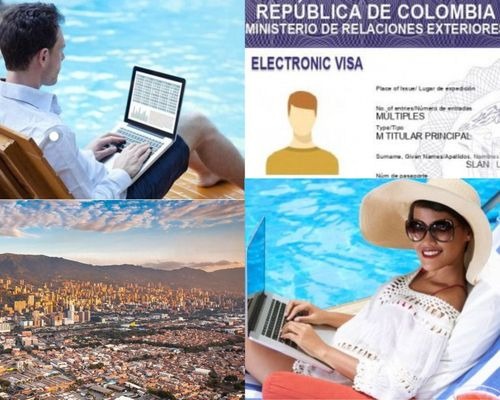
Visiting on a tourist visa allows 90 days in the country, and many remote workers extend this by doing a brief border run to Ecuador or Peru before returning. Colombia also offers a digital visa category that permits longer stays for those who can demonstrate a steady foreign income, though processing times vary and you should begin the application at least a month before your planned arrival. The cost of living for a single remote worker in Medellín typically falls between $1,200 and $1,800 per month depending on housing choices, while Bogotá runs slightly higher due to transportation costs and a more expensive dining scene.
Ultimately, Colombia for remote workers delivers on its promise of affordable living, strong connectivity, and an increasingly organized support system for people who want to build a life outside their home country. The practical steps are straightforward: pick the right neighborhood, secure a local SIM card on day one, choose a coworking setup that matches your work style, and stay alert to the few scams that target newcomers. With those basics handled, you will find that Colombia rewards the move with a quality of life that keeps people far longer than they originally planned.