The digital nomad community felt a distinct ripple last week when Coinbase announced it was cutting approximately 700 jobs.
This reduction, affecting about five percent of the company’s workforce, serves as a stark reminder of the volatility still present in the tech sector.
While layoffs are always difficult, the reasoning provided by CEO Brian Armstrong offers a crucial glimpse into where the remote work economy is heading.
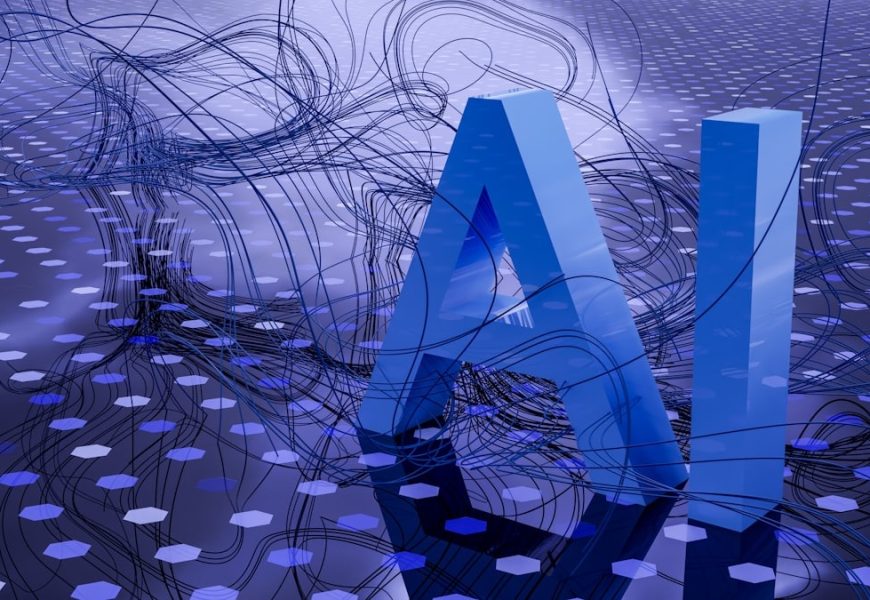
Armstrong didn’t just cite cost-cutting; he explicitly stated that the company is pivoting to become an “AI-native” organization.
This shift isn’t just corporate jargon.
For those of us living and working out of co-working spaces from Lisbon to Bali, it signals a fundamental change in the skills that will keep us employed on the road.
Coinbase is essentially reallocating resources to prioritize artificial intelligence over other areas of expansion.
This means we are witnessing a real-time divestment from traditional crypto roles and a massive investment into AI infrastructure.
If you are currently working in the Web3 space, this might feel like a chilling development.
However, it also presents a massive opportunity for digital nomads to pivot their skill sets before the market becomes saturated.
The concept of an “AI-native” company goes beyond simply using ChatGPT to write emails.
It implies that AI will be the central nervous system of the business, integrated into every decision, product feature, and customer interaction.
For remote workers, this means that fluency in AI tools is rapidly evolving from a “nice-to-have” bonus to a non-negotiable job requirement.
You don’t need to be a machine learning engineer to thrive in this environment, but you do need to be comfortable collaborating with AI.
Consider how a freelance graphic designer might use Midjourney to brainstorm concepts before refining them in Photoshop.
Or how a copywriter might use large language models to generate outlines and SEO structures, freeing up their time for high-level strategy.
This is the practical application of the shift Coinbase is making.
Nomads have always been early adopters of location-independent technology, and AI should be no different.
If you are looking to future-proof your income while traveling, start by auditing your current workflows.
Identify the repetitive, data-heavy parts of your job and experiment with AI tools to automate them.
Not only does this make you more efficient, but it also positions you as the “AI expert” in your current network.
On the financial side, the volatility at Coinbase underscores the importance of income diversification for anyone living a nomadic lifestyle.
Relying solely on one volatile sector, whether it’s crypto or startup equity, can be dangerous when your rent and flights depend on a steady cash flow.
Experts often recommend keeping three to six months of expenses in a high-yield savings account.
Given the current turbulence in tech, aiming for six months is a safer bet for digital nomads who may need to travel home unexpectedly or weather a job hunt.
Furthermore, this news should prompt a review of your client roster.
If you are heavily invested in crypto-adjacent clients, consider branching out into more traditional industries that are slower to pivot but offer more stability.
Look for opportunities in sectors like healthcare, e-commerce, or education, which are actively seeking remote talent to integrate AI into their legacy systems.
Networking is also going to look different in an AI-native world.
The 700 talented individuals leaving Coinbase are not just looking for jobs; they are taking valuable institutional knowledge with them.
Connecting with these professionals on LinkedIn or attending virtual meetups can provide insights into where the industry is actually moving.
They know exactly which AI tools are being adopted at the enterprise level, and that information is gold for a freelancer.
Ultimately, the pivot at Coinbase is a wake-up call.
The “easy money” era of the crypto boom is maturing into a technology-driven era focused on efficiency and artificial intelligence.
Adaptability has always been the hallmark of a successful digital nomad.
By embracing AI tools now and diversifying your income streams, you can turn this industry disruption into your next career evolution.
The landscape of remote work is changing, but the freedom to work from anywhere remains intact for those willing to learn.