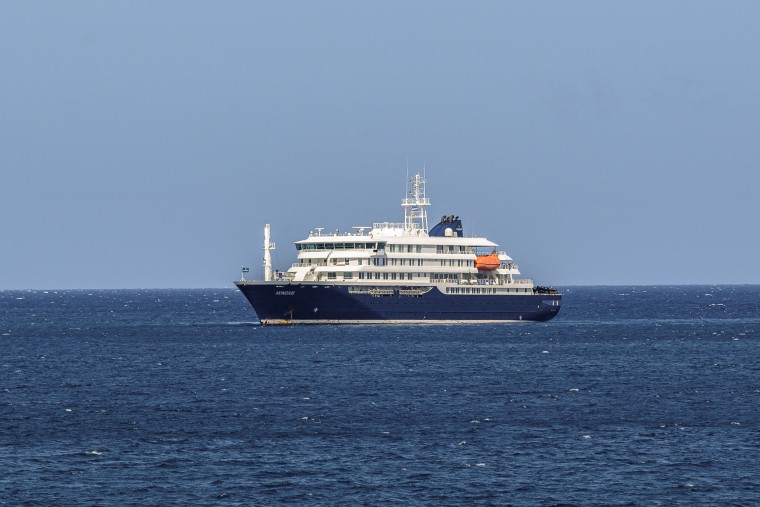
A suspected hantavirus outbreak aboard an Atlantic cruise ship has left at least three passengers dead and three others in critical condition, according to multiple reports emerging from the incident. Authorities are actively investigating the situation, with health officials working to determine the exact cause of the outbreak and prevent further spread among passengers and crew.
The incident has sent shockwaves through the cruise industry, which has spent years rebuilding passenger confidence following the pandemic-related disruptions of recent years. Hantavirus, while not as widely known as other viral threats, is a serious pathogen that can cause severe respiratory illness and has historically been associated with enclosed spaces with poor ventilation.
## What Happened on the Ship
The cruise ship was sailing in Atlantic waters when passengers began reporting symptoms consistent with hantavirus infection, including fever, muscle aches, and respiratory distress. The rapid onset of severe symptoms across multiple passengers prompted the ship’s medical team to alert port authorities and request emergency assistance.
Three individuals succumbed to their symptoms, while three others were airlifted to hospitals on shore where they remain in critical condition. The remaining passengers and crew have been placed under medical observation, and the ship has been sequestered pending the outcome of the investigation.
## Understanding Hantavirus and Its Transmission
Hantavirus refers to a family of viruses spread primarily through contact with infected rodents or their droppings, urine, and saliva. While person-to-person transmission is rare and limited to specific strains, the virus can cause two serious syndromes: haemorraghic fever with renal syndrome, common in Europe and Asia, and hantavirus pulmonary syndrome, which is more prevalent in the Americas.
Early symptoms include fatigue, fever, and muscle aches, often mistaken for common flu. However, the disease can progress rapidly to include coughing, shortness of breath, and in severe cases, respiratory failure.
There is no specific antiviral treatment for hantavirus, making early detection and supportive care critical to patient outcomes.
Cruise ships, with their enclosed environments, shared air systems, and high-density populations, present unique challenges for containing respiratory pathogen outbreaks. The combination of close quarters and centralized HVAC systems can facilitate broader transmission if a pathogen enters the passenger environment.
## Cruise Industry Under Scrutiny Again
This incident arrives at a delicate time for the cruise sector, which has been working to restore bookings and passenger trust after years of disruption. Cruise operators have invested heavily in enhanced health protocols, improved ventilation systems, and rigorous sanitation procedures following the pandemic.
Health experts point out that despite these improvements, the fundamental challenge of managing infectious disease outbreaks in densely populated, semi-enclosed environments remains. Hantavirus, in particular, presents an unusual case because it is not typically associated with cruise ship environments, which are more commonly linked to gastrointestinal pathogens like norovirus.
The investigation will likely examine whether the virus was introduced through contaminated cargo, infected crew members, or environmental conditions aboard the vessel. Authorities will also review the ship’s medical response protocols and whether the initial outbreak was identified and reported in a timely manner.
## Global Health Response and Travel Advisory Implications
International health authorities are monitoring the situation closely, with the World Health Organization’s alert and response system activated to coordinate information sharing among member states. Port authorities in the ship’s next port of call have been notified and are preparing medical response protocols.
For travellers, the incident reinforces the importance of understanding health risks associated with cruise travel and taking appropriate precautions. This includes researching the health protocols of specific cruise lines, carrying adequate medication supplies for personal medical needs, and understanding what medical evacuation procedures are in place for different voyage types.
Travel insurance considerations are also coming into focus, as passengers aboard affected vessels may face significant medical costs not covered by standard policies, particularly when international medical evacuation is required.
## The Broader Context of Emerging Health Threats
The cruise ship outbreak is emblematic of a broader pattern in global health security: the persistent risk of infectious disease emergence in interconnected travel environments. Experts have long warned that modern transportation networks create conditions where localized disease outbreaks can rapidly escalate into global health emergencies.
While hantavirus does not currently pose the same pandemic risk as respiratory pathogens like influenza or coronavirus, its emergence in a high-profile travel setting underscores the need for robust surveillance systems, rapid testing capabilities, and coordinated international response frameworks.
For now, the immediate priority is containing the current outbreak, caring for those who have been infected, and ensuring that the lessons learned from this incident inform future preparedness across the cruise industry and broader travel sector.