If you’ve been paying attention to the stock market over the past few years, you probably noticed something that would’ve been unthinkable a decade ago: a group of retail investors on Reddit collectively moving the price of a stock and forcing Wall Street hedge funds into billion-dollar losses. That’s exactly what happened with GameStop in early 2021, and it wasn’t a fluke. It was the beginning of a fundamental shift in how markets work, one that every investor needs to understand whether you’re a beginner or a seasoned trader.
The catalyst for much of this transformation has been platforms like Robinhood, which launched in 2013 and promised to “democratize finance for all.” By eliminating trading commissions and designing an app that makes buying stocks feel as easy as ordering food delivery, Robinhood opened the floodgates. Millions of first-time investors, many of them young and tech-savvy, poured into the market. At its peak during the pandemic, Robinhood was adding hundreds of thousands of new accounts per month. That kind of volume from everyday people, armed with real money and zero fees, changed the dynamics of trading in ways that institutional investors are still adjusting to.
But Robinhood alone doesn’t explain the full picture. The real spark that turned retail trading into a market-moving force was the combination of social media and online communities. Subreddits like WallStreetBets became virtual trading floors where millions of people shared ideas, memes, and investment theses. A single post could send a stock soaring or crashing within hours. The GameStop saga is the most famous example, but it happened again with AMC Entertainment, Bed Bath & Beyond, and dozens of smaller stocks. The lesson here isn’t just that social media can move markets, it’s that information now travels at the speed of a tweet or a Reddit thread, and retail investors are acting on it collectively and fast.
Social trading has also taken root beyond Reddit. Platforms like eToro allow users to copy the trades of successful investors automatically, essentially turning investing into a crowdsourced activity. On Twitter and YouTube, financial influencers with large followings can move markets with a single stock pick. This creates a feedback loop: a popular creator recommends a stock, their followers buy it, the price rises, and the recommendation looks validated, drawing even more attention. It’s powerful, but it’s also risky, because popularity doesn’t equal sound analysis.
So what does this mean practically for retail investors? First, understand that you’re no longer just a passive participant. Your trades, especially when coordinated with others, have real market impact. That’s empowering, but it also means you need discipline. Don’t buy a stock just because it’s trending on Reddit or hyped on TikTok. Do your own research, look at the fundamentals, and have a clear entry and exit strategy before you commit money.
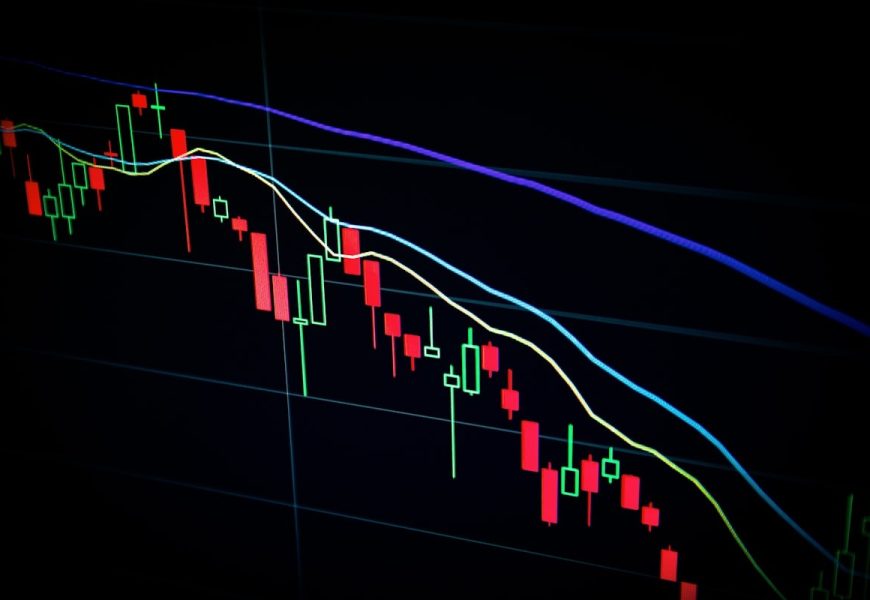
Second, be aware of volatility. Stocks that surge because of social media attention often crash just as quickly. GameStop went from around $20 to nearly $500 and back down to the $40 range in a matter of weeks. If you bought at the peak because the crowd was cheering, you learned an expensive lesson. Set stop-loss orders and never invest money you can’t afford to lose, especially in meme-driven plays.
Third, use the tools available to you. Robinhood and similar platforms offer educational resources, and communities like Reddit can be valuable for generating ideas if you filter the noise. The key is to treat social media as a starting point for research, not the final word. Cross-reference what you see online with earnings reports, analyst ratings, and your own risk tolerance.
The rise of retail investors isn’t a trend that’s fading. It’s a structural change in how markets operate. Platforms have lowered barriers, social media has amplified collective action, and everyday investors now have tools and communities that give them real influence. The smartest move you can make is to participate with your eyes open, stay informed, and remember that the crowd isn’t always right, even when it’s loud.