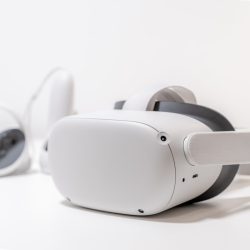
Apple is testing four distinct frame styles for its first smart glasses, according to a detailed report from Bloomberg’s Mark Gurman—a new detail that significantly tightens the competitive race with Meta’s Ray-Ban line and confirms that Apple is moving beyond concept phase toward a consumer product. The glasses, which are expected to feature integrated cameras, AI-powered voice assistants, and a display system that overlays information onto the physical world, represent Apple’s most ambitious wearable bet since the Apple Watch launched in 2015.
Why Smart Glasses Are the Next Battleground
The smart glasses category has been hovering at the edge of mainstream adoption for a decade, held back by a combination of social acceptability issues, battery constraints, and a lack of killer applications. Meta’s Ray-Ban Smart Glasses changed the calculus somewhat by stripping the AR display in favour of an audio-first experience that delivered genuinely useful functionality—audio calls, music, and a camera for first-person photography—without the bulk or social stigma of previous attempts.
The Ray-Ban’s commercial success demonstrated that there is real demand for wearable AI when the product prioritises utility over spectacle.
Apple’s approach appears to be different: the company is reportedly building display capabilities into its glasses, suggesting it is targeting the more ambitious end of the wearable spectrum—potentially overlaying notifications, maps, and real-time translations directly into the wearer’s field of view. This positions Apple’s smart glasses as a fundamentally different product from Meta’s audio-first model, and it raises the stakes considerably for the entire wearable technology industry.
What This Means for the Consumer Market
For everyday users, the arrival of Apple smart glasses could accelerate mainstream adoption in ways that previous products simply couldn’t. Apple’s ecosystem integration—seamless connectivity with iPhones, Macs, AirPods, and the Apple Watch—creates a powerful lock-in effect that no competitor can easily replicate.
Industry analysts at IDC project the global smart glasses market will surpass $35 billion by 2027, and Apple’s entry could push that timeline forward by at least twelve months.
The reported four-frame strategy also signals that Apple understands something critical: one size does not fit all. By offering multiple styles, Apple is acknowledging that smart glasses must first succeed as fashion accessories before they can become essential tech.
This lesson was learned the hard way from Google Glass, which failed partly because wearing it made users look like extras from a science fiction film.
Meta’s Countermove and the Competitive Landscape
Meta isn’t standing still. The company’s next-generation Ray-Ban smart glasses are expected to include a heads-up display, directly responding to the AR capabilities Apple is developing.
The partnership between Meta and EssilorLuxottica gives Meta a significant advantage in distribution, retail presence, and fashion credibility that took years to build. For digital nomads who rely on lightweight, multifunctional gear, the competition between these two giants could mean better products at lower prices within the next two to three years.
Practical Takeaways for Early Adopters
If you’re considering investing in smart glasses now, the smart move is to evaluate your primary use case carefully. Audio-first models like the current Ray-Ban Meta glasses offer excellent value today, particularly for content creators and travellers who want hands-free photography and translation features.
However, if augmented reality overlays and visual notifications are what you’re waiting for, it may be worth holding off until Apple’s offering—or Meta’s next-generation model—hits the market.
Keep an eye on battery life specifications when comparing models, as this remains the single biggest limitation across all smart glasses currently available. Most devices in this category struggle to deliver more than four to six hours of active use, which is a meaningful constraint for anyone who spends long days exploring new cities or working from co-working spaces across different time zones.
The Bottom Line
Apple’s reported development of four distinct smart glasses frame styles is more than a product leak—it’s a signal that the wearable computing revolution is entering its most consequential phase. Whether you’re a remote worker, a frequent traveller, or simply someone who loves staying ahead of the technology curve, the smart glasses market is about to become the most exciting space in consumer electronics.
Stay informed, weigh your options carefully, and prepare for a world where your glasses do far more than help you see.