Global oil prices have surged past $100 per barrel for the first time since 2022, triggering a wave of economic consequences that are already hitting consumers at the gas pump. The spike comes as geopolitical tensions in the Middle East combine with production cuts from OPEC+ nations, creating a perfect storm for energy markets.
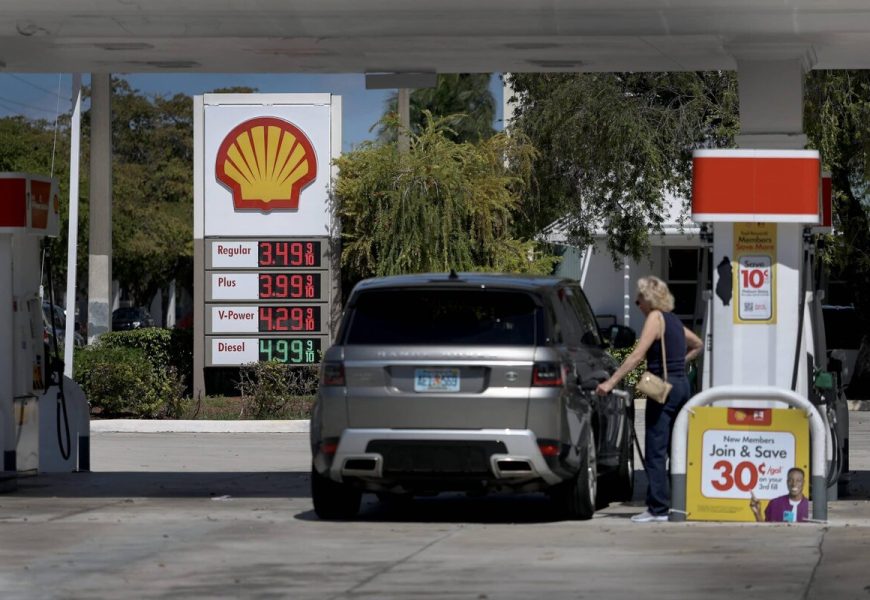
The immediate impact is visible at fuel stations across the United States, where the national average for regular gasoline has climbed to $4.62 per gallon — an increase of $0.89 over the past eight weeks. Diesel prices have risen even more sharply, crossing $5.10 per gallon and raising costs for the trucking and logistics sectors that feed into nearly every consumer product category.
A barrel of Brent crude oil settled at $104.70 in Asian trading on Tuesday, continuing a rally that began in February. Analysts at Goldman Sachs have raised their year-end forecast to $120 per barrel and warned that sustained prices above $100 could shave 0.8% off global GDP growth in 2026.
What Is Driving the Price Surge
The current crisis has multiple catalysts. Saudi Arabia and Russia extended their voluntary production cuts of 1.3 million barrels per day through March 2026, tightening supply at a time when global demand continues to recover from pandemic-era lows.
Simultaneously, maritime attacks in the Red Sea have forced tankers to reroute around the Cape of Good Hope, adding 10-14 days of transit time and significantly higher insurance costs.
The US-Iran standoff in the Strait of Hormuz has added further risk premium, with roughly 20% of global oil shipments passing through this narrow waterway. Any escalation could disrupt flows of 17-20 million barrels per day, a scenario that would push prices well beyond $150 per barrel.
Ripple Effects Across the Economy
Higher fuel costs cascade through economic sectors rapidly. Airlines have announced fare increases of 8-15% to offset jet fuel expenses.
Shipping companies including Maersk and MSC have implemented emergency bunker surcharges ranging from $250 to $1,200 per container depending on the route.
Food prices are particularly vulnerable, as agricultural production relies heavily on diesel for farm equipment, transportation, and fertilizer manufacturing. The USDA food price outlook for 2026 has been revised upward to reflect a projected 4.7% year-over-year increase in grocery costs, up from the previous estimate of 3.1%.
What Consumers Can Expect Next
Energy economists warn that the current price environment could persist for much of the year. The US Strategic Petroleum Reserve, which was drawn down extensively during 2022-2023 to combat inflation, now holds only 367 million barrels — roughly half its capacity.
A release now would have limited impact on prices and could leave the country vulnerable to a genuine supply emergency.
The Federal Reserve faces a difficult balancing act: higher energy costs push headline inflation upward, but raising interest rates to fight inflation could slow the economy and increase unemployment. Market expectations for rate cuts in 2026 have already shifted from three to one, with some analysts now predicting no cuts at all this year.
For households, the combination of elevated gas prices, food inflation, and persistent interest rates creates a cost-of-living squeeze that mirrors conditions last seen in early 2023. Budgeting for higher transportation and grocery costs while maintaining debt payments will challenge many middle-income families.
Policy Responses and Alternatives
Governments across Europe and Asia have begun implementing emergency measures. France has increased its fuel subsidy for low-income households, while Japan released 9 million barrels from its strategic reserves.
The EU is fast-tracking permitting for renewable energy projects in a bid to reduce long-term fossil fuel dependence.
For individual consumers, the shift toward electric vehicles and home solar installations accelerates with each price spike. EV sales in the United States rose 32% in Q1 2026 compared to the same period last year, suggesting that sustained high oil prices are reshaping consumer preferences in durable ways rather than producing short-term demand destruction alone.
The energy transition, once viewed as a long-term environmental priority, is increasingly being driven by immediate economic necessity. As one industry analyst noted: every dollar above $100 per barrel makes renewable alternatives more competitive — and more urgent — than ever before.