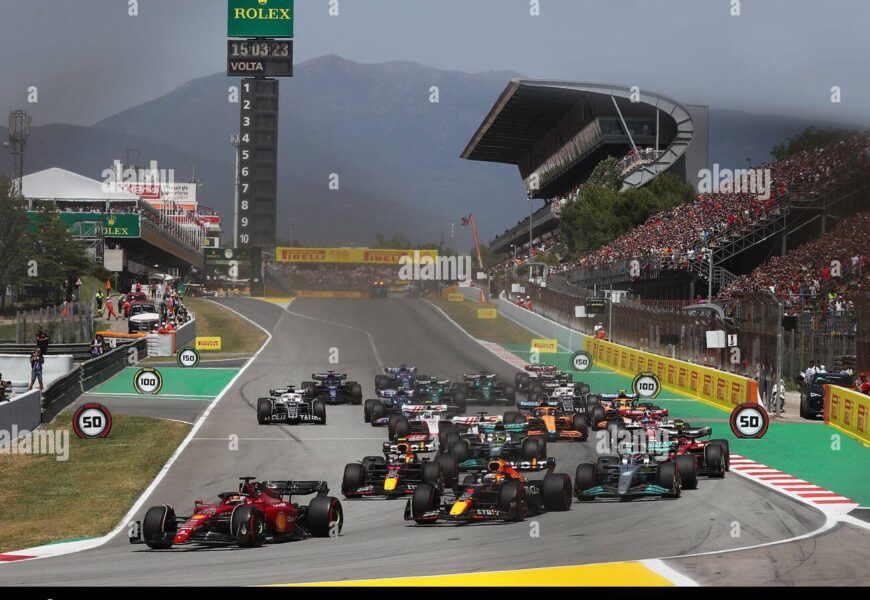
Formula 1’s Spanish Grand Prix has evolved from a niche sporting event into one of Europe’s most powerful tourism catalysts, with hotel bookings in Barcelona surging 62 percent during race week and air travel inquiries rising 12 percent, according to travel analytics platform Perk. The numbers illustrate how major sporting events have become strategic pillars for destinations seeking to attract high-value visitors with substantial disposable income.
The Barcelona race, held at the Circuit de Barcelona-Catalunya, has benefited from a combination of timing, accessibility, and the growing appeal of motorsport among younger demographics. Formula 1’s deliberate efforts to modernise its image—through the Drive to Survive Netflix franchise and a succession of competitive on-track battles—have expanded the sport’s audience far beyond its traditional European heartland.
## The Tourism Multiplier Effect
Formula 1 events generate tourism revenue through multiple channels that extend well beyond the spectators physically present at the circuit. Race week attracts a cross-section of visitors: hardcore motorsport fans who plan their annual holidays around the event, casual spectators drawn by the spectacle and celebrity atmosphere, and business professionals using the event as a networking platform in sectors ranging from automotive to finance to technology.
The accommodation sector sees the most visible impact, with hotel occupancy rates in Barcelona reaching near-full capacity during race week. However, the economic ripple extends to restaurants, bars, retail establishments, and cultural attractions that benefit from the increased foot traffic.
Barcelona’s broader tourism infrastructure—museums, beaches, historical sites—provides additional reasons for visitors to extend their stays beyond the race weekend itself, converting a two-day sporting event into a multi-day experience.
Air travel inquiries rising 12 percent during race week indicates that the event is actively drawing visitors who might otherwise travel elsewhere. For a destination like Barcelona, which competes with Mediterranean beach resorts and other European city breaks for tourist spending, the Formula 1 calendar slot represents a reliable injection of high-spending visitors during a period that might otherwise see softer demand.
## Business Tourism and Networking at the Circuit
The transformation of Formula 1 into a business and networking occasion represents one of the sport’s most significant cultural shifts of the past decade. Corporate hospitality villages at European circuits have long attracted business entertaining clients and partners, but the post-pandemic expansion of premium experiences has elevated the event’s standing as a corporate hospitality platform.
Team principals and drivers now routinely engage with executives from technology, finance, and automotive sectors, creating informal networking opportunities that complement the formal business exchange that takes place in corporate suites. The convergence of elite sport, technology, and business leadership within a single venue creates an environment that many participants find uniquely productive for relationship building.
For destination marketers, this business component carries particular appeal because corporate visitors tend to spend more per day than leisure tourists and often return for follow-up visits outside the racing context. The Formula 1 audience—educated, internationally mobile, and accustomed to premium service experiences—represents an attractive demographic that aligns well with Barcelona’s positioning as a sophisticated urban destination.
## Spain’s Strategic Bet on Motorsport Tourism
Spain has recognised Formula 1 as a strategic tourism asset and invested accordingly in circuit infrastructure, transport connections, and promotional activities targeting international visitors. The addition of a Madrid Grand Prix to the calendar, with the 2026 season featuring events in both Barcelona and the Spanish capital, suggests an expansion of Spain’s commitment to capturing motorsport tourism revenue.
The competition between Spanish cities for Formula 1 events reflects a broader European trend where destinations leverage major sporting events to refresh their international image and attract visitor segments that align with long-term tourism strategy. For Spain, whose coastal and cultural tourism product is already well-established, Formula 1 provides an opportunity to attract visitors during spring and early summer while simultaneously reinforcing Spain’s association with technology, precision engineering, and global connectivity.
Looking ahead, the continued growth of Formula 1’s global calendar—expanding into new markets while maintaining its European roots—positions Spain’s events as reliable pillars of the country’s tourism marketing strategy. As the sport’s audience continues to diversify and younger demographics engage with motorsport through digital platforms, the tourism benefit for host cities like Barcelona shows every sign of sustained growth rather than gradual decline.