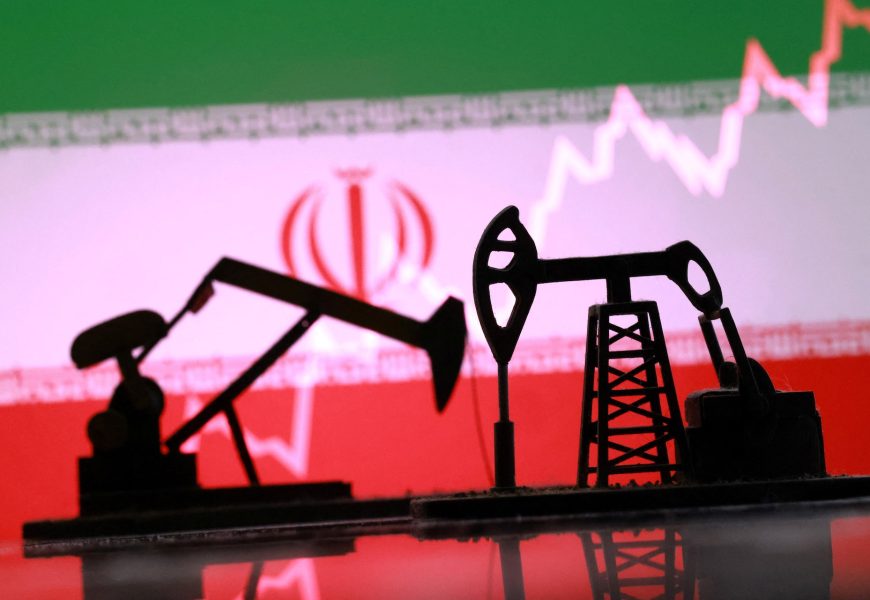
The global energy markets are experiencing significant turbulence as oil prices climb to wartime highs, driven by escalating tensions between the United States and Iran. The standoff has raised concerns about potential disruptions to one of the world’s most critical oil shipping lanes, sending shockwaves through stock markets and prompting investors to reassess their portfolios heading into the second quarter.
According to recent market analysis, Brent crude has surged past critical resistance levels as geopolitical risk premiums build into energy futures. The situation has been compounded by the closure of the Strait of Hormuz, a vital chokepoint that handles approximately one-fifth of the world’s oil supply.
Market analysts are closely monitoring the developing situation as prices continue to oscillate in response to diplomatic developments.
Market Impact and Economic Implications
The surge in oil prices is having ripple effects across multiple sectors. Airline stocks have faced headwinds as fuel costs climb, while energy companies have seen significant gains.
The transportation industry, already grappling with supply chain challenges, now faces additional pressure on operating margins. Economic observers warn that sustained high oil prices could delay anticipated interest rate cuts from central banks, potentially slowing economic growth in energy-importing nations.
For everyday consumers, the implications are becoming increasingly visible at the pump. Gasoline prices have risen in concert with crude oil futures, contributing to broader inflationary pressures that have characterized the global economy over the past year.
Energy analysts suggest that consumers should prepare for continued volatility in the near term.
Stock Market Response
U.S. stock markets have shown resilience despite the energy turmoil, with major indices managing gains amid mixed earnings reports from big tech companies.
The S&P 500 and Nasdaq have traded near record levels as investors weigh the impact of higher energy costs against strong corporate earnings. However, market strategists advise caution, noting that prolonged geopolitical instability could shift market sentiment rapidly.
The technology sector has proven particularly resilient, with companies reporting better-than-expected quarterly results driven by AI integration and cloud computing growth. Yet analysts remain vigilant about potential market corrections should the oil situation deteriorate further.
Looking Ahead
As the geopolitical situation continues to evolve, investors are advised to maintain diversified portfolios and stay informed about developments in the Middle East. Energy sector experts recommend monitoring crude inventory data, OPEC+ production decisions, and diplomatic efforts that could de-escalate tensions.
The coming weeks will be critical in determining whether oil prices stabilize or continue their upward trajectory.
For those with exposure to energy stocks or commodities, now is the time to review your investment strategy and consider hedging approaches to manage volatility. The intersection of geopolitics and energy markets remains one of the most dynamic stories shaping global finance in 2026.
The surge in oil prices comes at a delicate time for the global economy. Central banks in major economies have been gradually easing monetary policy, but sustained energy price inflation could complicate those efforts.
The US Federal Reserve, in particular, faces a challenging balancing act between supporting growth and containing inflationary pressures.
For consumers, the impact is already being felt at the pump. Gasoline prices have risen sharply across the United States and Europe, adding to household budget pressures.
Analysts estimate that every $10 increase in the price of a barrel of oil translates to roughly $0.25 per gallon at the pump, meaning the current surge could add significant costs for drivers in the coming weeks.
Energy-importing nations in Asia and Europe are especially vulnerable to the price spike. Japan, South Korea, and several European countries rely heavily on Middle Eastern oil imports and have limited strategic reserves to cushion against prolonged disruptions.
Diplomatic efforts to de-escalate the situation are intensifying, though no breakthrough has been announced as of yet.
On the supply side, OPEC+ members are reportedly considering an emergency meeting to discuss production levels. While Saudi Arabia has maintained spare capacity that could theoretically offset some of the supply concerns, geopolitical calculations may limit how aggressively it acts to bring prices down.
The outcome of these deliberations will be critical in determining whether oil prices stabilize or continue their upward trajectory.