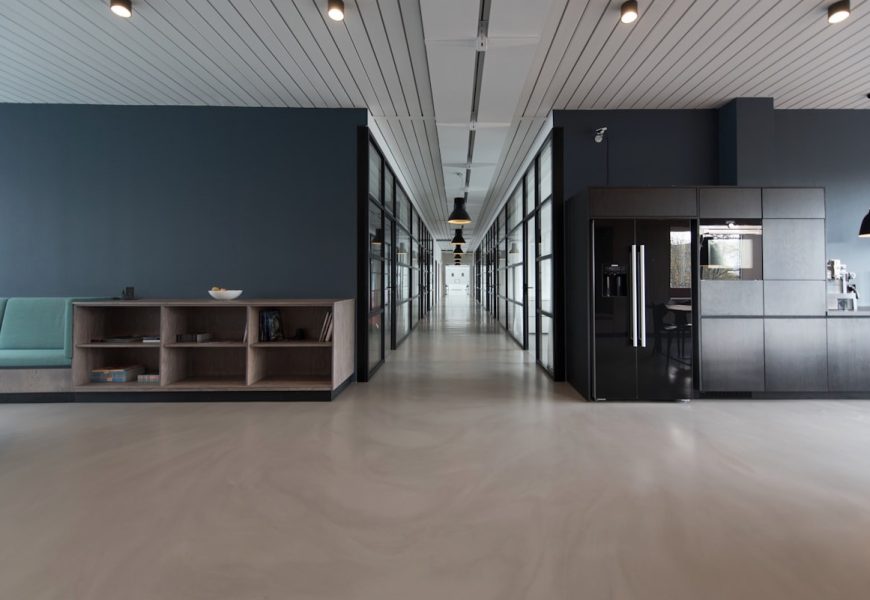
Remember when office buildings were the beating heart of downtown? Turns out, a lot of those hearts have stopped beating — and now developers are giving them a second life as apartment buildings. Office-to-apartment conversions aren’t just a niche trend anymore. They’re reshaping skylines, redefining downtowns, and quietly solving one of America’s most stubborn problems: the housing shortage.Remote work didn’t just change where we do our jobs. It emptied out millions of square feet of Class B and Class C office space almost overnight. Instead of letting those buildings rot, cities and developers are asking a simple question: what if we turn desks and conference rooms into kitchens and bedrooms?It’s already happening. In cities like Chicago, Denver, and even smaller metros like Davenport, Iowa, developers are retrofitting mid-century office towers into hundreds of affordable and market-rate apartments. In some cases, entire floors that once held cubicles are becoming studios and one-bedrooms — complete with the kind of in-unit laundry and high ceilings that renters love.Why now? Part of it is economics. Office vacancy rates in many U.S. cities are at historic highs, while rents keep climbing. A struggling office building sitting half empty suddenly looks a lot more attractive as housing — especially when local governments start offering tax breaks or expedited permits to sweeten the deal. On top of that, remote and hybrid work mean fewer companies need massive footprints. The math just doesn’t pencil out for some landlords anymore.Converting an office into apartments isn’t as simple as knocking down a wall, though. Older buildings often need new plumbing risers, updated electrical systems, and sometimes entirely new HVAC setups. Windows that once offered a view for a row of accountants now need to open for residents who want fresh air and natural light. That’s why not every office building is a slam-dunk conversion candidate. Thick floorplates, deep floor plans, and outdated elevator cores can make the project expensive fast.Still, developers are getting creative. Some are keeping the original concrete-and-steel bones and leaning into an industrial loft aesthetic — exposed ductwork, open layouts, and huge windows. Others are gutting everything and starting fresh inside the shell. Either way, the goal is the same: deliver housing where people actually want to live, close to transit, jobs, and amenities.For renters, this can mean more options in desirable neighborhoods. For cities, it’s a chance to bring life back to empty streets. If your downtown felt a little too quiet during the pandemic, there’s a good chance someone’s already planning to fill those dark office floors with residents who’ll shop, dine, and walk to the bus stop every morning.There are policy pieces, too. Local zoning codes that once kept offices separate from residential uses are getting rewritten. Fast. Cities like Minneapolis, Boston, and Washington, D.C., have updated or are updating their zoning to allow mixed-use or residential in former commercial-only districts. That kind of regulatory shift can be the difference between a stalled project and ground breaking in under two years.Investors are paying attention, too. Real estate funds that once chased trophy office buildings are now earmarking capital specifically for conversion plays. The returns can be strong — especially if you buy a distressed office building at a discount and convert it to apartments in a tight rental market. It’s not risk-free, but the upside is real.Remote work didn’t kill the office. It just forced us to rethink what these buildings are for. As more companies downsize or go fully remote, those empty floors won’t stay empty forever. Someone’s already drawing up floor plans, rerouting plumbing, and imagining a future where the commute is just an elevator ride.So if you’ve ever walked past a half-empty office tower and wondered what’s next, now you know. The next chapter for a lot of America’s downtowns might not be more offices at all. It might be home.
Office-to-Apartment Conversions Surge: How Remote Work Is Literally Rebuilding America’s Cities
Visited 9 times, 1 visit(s) today


Popular posts:
 New Study Reveals Why Gen Z Is Prioritizing Job…
 SpaceX Confirms Starlink Satellite Breakup as Second…
 New Study Maps America’s Most Stressed States in 2026
 Top Laptop Releases of 2026: From Gaming Beasts to…
 Bitcoin Miners Are Selling Their BTC Reserves At…
 Snap Unveils $2,195 Specs AR Glasses:…
 Update Linux Now: CISA Confirms 9-Year-Old Root Hack…
 Brazil’s Ecotourism Boom: 10 Destinations…
 Da Nang Emerges as Southeast Asia’s Best-Kept…
 Amazon’s 2026 Big Spring Sale: The Best Tech…