Amazon’s logistics network has long been the secret sauce behind its lightning‑fast deliveries, but the e‑commerce giant is now pulling back the curtain for third‑party sellers.
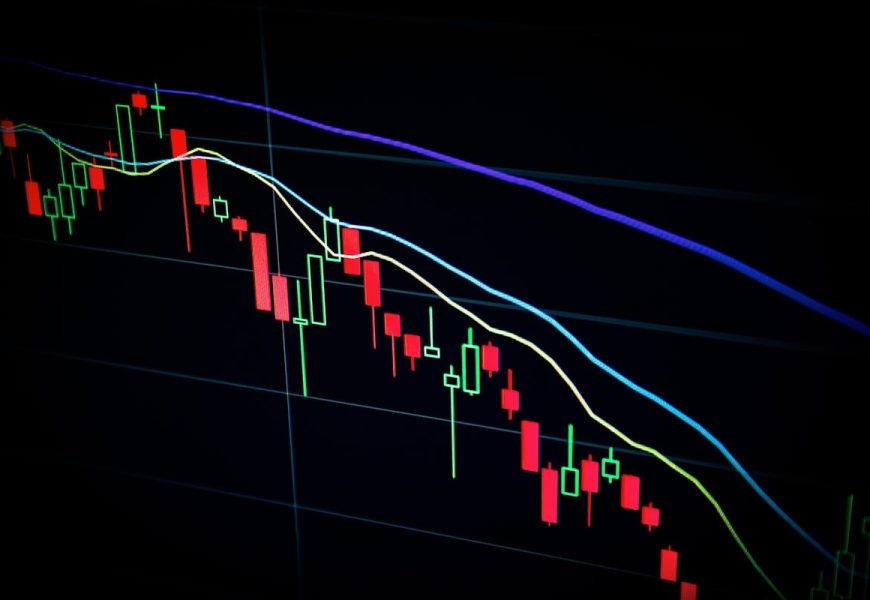
Bank of America just upgraded Amazon’s stock rating, citing the new logistics rollout as a catalyst for higher margins and deeper market penetration.
For digital nomads who run side‑hustles from cafés in Bali or co‑working spaces in Berlin, this shift could mean a game‑changing edge.
Imagine you sell handcrafted leather notebooks on Amazon Marketplace; until now, you’ve relied on the Fulfilled by Amazon (FBA) program, paying storage fees that eat into your profit.
Now you can opt into Amazon’s “Logistics as a Service” (LaaS) and ship directly from your own warehouse while still tapping into Amazon’s carrier network.
This hybrid model blends the control of self‑fulfillment with the speed of Amazon Prime.
One practical tip: map out your most popular SKUs and test LaaS with a small batch to compare delivery times and cost per unit against traditional FBA.
When you see a noticeable dip in shipping expenses, you’ll know you’ve hit the sweet spot.
Amazon’s new service isn’t limited to large sellers; even boutique brands can access the same carrier discounts that once required massive volume.
Take the example of a New York‑based candle maker who partnered with a local fulfillment center and leveraged Amazon’s route‑optimization software.
Within three months, her average delivery window shrank from five days to two, and her return rate dropped by 15 percent.
That kind of data is exactly what BofA analysts highlighted in their upgrade report.
They argue that by opening its logistics to third parties, Amazon creates an additional revenue stream that’s less vulnerable to retail seasonality.
For you, the takeaway is simple: treat logistics as a strategic lever, not just an operational cost.
Start by auditing your current fulfillment expenses; list every line item from inbound freight to last‑mile delivery.
Then compare those numbers with Amazon’s published LaaS rates, which are often hidden in the fine print of their seller central portal.
Don’t forget to factor in the intangible benefits, like Prime eligibility that can boost conversion rates by up to 30 percent.
Another concrete example comes from a tech accessories brand in Singapore that switched 40 percent of its orders to Amazon’s network.
They reported a 22 percent increase in repeat purchases because customers trusted the “Amazon‑handled” shipping experience.
If you’re a digital nomad juggling multiple time zones, the ability to outsource the heavy lifting of last‑mile delivery while retaining inventory control is priceless.
Here’s a quick checklist to get started: sign up for Amazon’s “Seller Central Logistics” program, upload your inventory data, and select a certified third‑party logistics (3PL) partner from Amazon’s approved list.
Most 3PLs will handle labeling, packaging, and even returns, freeing you to focus on product development and marketing.
Remember, the key is to pilot the program with a limited product line before scaling.
That way you can fine‑tune your packaging specifications and avoid costly missteps.
Bank of America’s upgrade also underscores the broader market confidence in Amazon’s ability to monetize its logistics infrastructure.
Analysts project a multi‑digit revenue boost from LaaS by 2027, which could translate into higher earnings per share for shareholders.
For sellers, this means a more stable platform with continued investment in carrier partnerships and technology upgrades.
In practice, you might see new features like real‑time tracking APIs or AI‑driven demand forecasting rolled out to all LaaS participants.
Those tools can help you predict inventory needs weeks in advance, reducing stock‑outs and overstock scenarios.
One savvy seller in Toronto started using Amazon’s demand forecasting to schedule production runs, cutting excess inventory by 18 percent.
That saved her roughly $12,000 in holding costs over a single quarter.
If you’re already using a separate fulfillment service, consider negotiating a hybrid approach: keep fast‑moving items in Amazon’s network and slower items with your current 3PL.
This dual‑strategy can balance cost efficiency with speed, especially during peak shopping periods like Prime Day.
Finally, keep an eye on Amazon’s performance dashboards; they’ll flag any delays or exceptions in real time.
Proactive monitoring lets you address issues before they affect customer satisfaction.
In a nutshell, Amazon’s opening of its logistics network is more than a headline—it’s a practical tool you can leverage today.
Combine it with the confidence BofA’s upgrade brings, and you have a clear roadmap to scale your side hustle without sacrificing the freedom that digital nomad life offers.