The dream of trading a fluorescent-lit cubicle for a hammock in Bali hasn’t faded, but the strategy to achieve it has evolved significantly. Building a remote career from scratch in 2026 requires more than just a laptop and a wish; it demands a ruthless commitment to skill acquisition and personal branding. The digital nomad lifestyle is no longer a secret hack, so you have to be sharper than the competition to break in.
Forget about what worked five years ago. The market is saturated with generalists who list “social media management” as a skill despite having no verifiable results. To stand out today, you need to niche down until you are undeniable.
Start by conducting a brutal audit of your current skills and looking for where they intersect with high-demand digital tools. If you have a background in teaching, pivot to creating curriculum for ed-tech platforms rather than generic tutoring. If you worked in logistics, learn supply chain software and offer remote coordination services. You must translate your past experience into a language remote employers understand.
Artificial Intelligence is no longer a futuristic concept; it is the primary filter for hiring managers and the main lever of productivity. You need to demonstrate proficiency with AI agents, automation tools like Zapier, and data analysis software. A candidate who can use AI to do the work of two people will always win the job over someone who relies solely on manual effort.
However, technical skills are useless without the ability to communicate asynchronously. The most successful remote workers in 2026 are those who can manage projects and keep teams aligned without ever attending a Zoom meeting. This requires exceptional writing skills and the ability to document your work clearly so colleagues across time zones can pick up where you left off.
Your portfolio is now far more important than your resume. A PDF listing your past duties is irrelevant to a startup founder who wants to see what you can deliver right now. Create a simple Notion page or a personal website featuring case studies, mock projects, and writing samples that demonstrate your ability to solve problems autonomously.
Networking has shifted from generic connection requests to value-based community engagement. You need to be where the decision-makers are hanging out, which often means paid communities like Dynamite Circle or niche Discord servers rather than LinkedIn comment sections. Offer genuine help or insights in these groups before you ever ask for a job lead.
Don’t ignore the power of the “micro-internship” or short-term contract to get your foot in the door. Landing a full-time role with benefits immediately is rare for beginners without a track record. Instead, pitch small businesses for one-off projects like migrating their email list or setting up a customer service chatbot to build trust and testimonials.
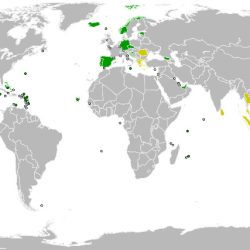
You should also seriously consider the legal and logistical framework of your new life before you quit your current job. Digital nomad visas have become standardized in many countries, but they often require proof of income or specific health insurance coverage. Researching the tax implications of living in Portugal versus Thailand will save you a massive headache later on.
Financial stability is the backbone of sustainable travel. Before you book a one-way ticket, ensure you have an emergency fund that covers at least six months of expenses. Relying on a single client is a risk that can end your nomadic journey prematurely, so diversify your income streams as soon as possible.
The remote workforce of 2026 is global, fluid, and incredibly competitive. By focusing on high-value skills, mastering AI, and communicating with clarity, you can build a career that supports your lifestyle instead of confining it. It won’t happen overnight, but the view from your “office” will be worth the effort.