Stock markets around the world pulled back from record highs on Friday, May 15, 2026, as a surge in oil prices rattled bond markets and rekindled inflation concerns among investors. The selloff ended a week of near-record performance for major indices, reminding markets that the path to continued growth rarely moves in a straight line.
The S&P 500 retreated from its all-time closing high, while the Nasdaq Composite and Dow Jones Industrial Average each recorded declines. The retreat spread across global markets, with European and Asian indices also moving lower as traders reassessed risk following the oil price spike.
## What Triggered the Selloff?
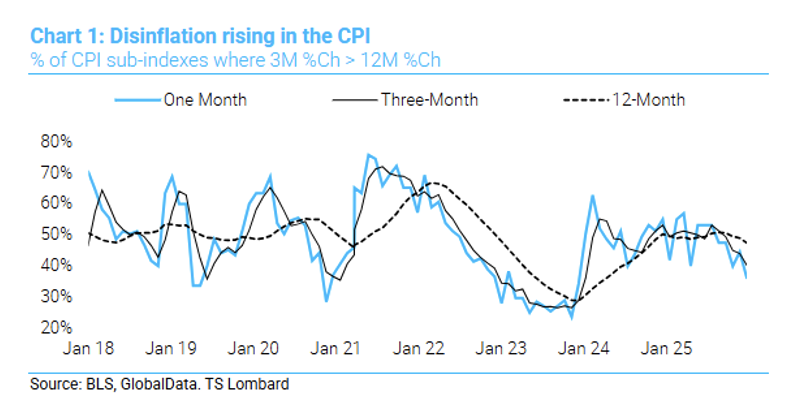
The immediate catalyst was a sharp increase in crude oil prices, which crossed key psychological thresholds and reignited fears that inflation—which had been moderating in recent months—might persist longer than anticipated. Higher oil prices tend to filter through economies as increased costs for transportation, manufacturing, and heating, potentially slowing the progress that central banks have made in bringing inflation closer to their targets.
The Federal Reserve has been carefully monitoring inflation data as it evaluates the pace of interest rate cuts expected later this year. A sustained oil price increase complicates that picture, as policymakers weigh the risk of reigniting inflationary pressures against the possibility that economic growth may be slowing.
Bond markets reflected the shift in sentiment, with yields rising as investors demanded higher returns to hold government debt. The yield curve steepened modestly, a development that tends to signal improving expectations for growth—though it also indicates that borrowing costs may remain elevated for longer than some investors had hoped.
## Asian and European Markets Follow
The pullback was not limited to American markets. Japan’s Nikkei 225 fell by over one percent, with export-oriented companies weighed down by concerns that higher energy costs could erode corporate profits. South Korea’s KOSPI also declined, tracking the broader sentiment shift.
In Europe, the pan-European Stoxx 600 index recorded modest losses, with energy and materials sectors outperforming due to the oil price rally while technology and consumer discretionary stocks lagged. The UK’s FTSE 100 held relatively steady, supported by energy companies but pressured by concerns about economic growth in the United Kingdom’s largest export market.
## What This Means for Investors
Friday’s decline does not necessarily signal the end of the market’s recovery trajectory. Historically, pullbacks from record highs are common and often prove brief, particularly when economic fundamentals remain supportive. Corporate earnings have continued to surprise to the upside in the first quarter of 2026, and consumer spending has shown resilience despite higher prices.
However, the episode highlights the persistent volatility that characterizes markets in an era of ongoing geopolitical uncertainty, shifting central bank policies, and structural changes in global energy markets. Investors navigating this environment may benefit from diversification across asset classes and geographies, while remaining attentive to data points that could shift the rate outlook.
Energy stocks held up well during the decline, as the oil price rally translated into stronger profitability for exploration and production companies. Renewable energy stocks, by contrast, faced pressure as higher fossil fuel prices temporarily reduce the competitive advantage of clean energy alternatives.
## The Week Ahead
Investors will watch for fresh economic data in the coming week, including inflation reports and retail sales figures that will help clarify the health of the American consumer. Central bank officials are scheduled to speak publicly, and markets will parse their comments for signals about the timing and pace of potential rate adjustments.
For now, the bull market remains intact—but Friday’s decline serves as a timely reminder that markets can shift quickly when unexpected events intervene.