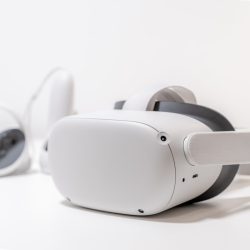
The idea of replacing the smartphone with a pair of smart glasses has been floating around the technology industry for nearly a decade, dismissed by skeptics as the next tech幻想 that never quite delivers. But in 2026, something is shifting.
Multiple manufacturers—including Samsung, Meta, and a cohort of well-funded startups—are preparing to ship consumer smart glasses that go beyond novelty and into genuine utility. Whether 2026 becomes the year smart glasses finally break through depends on whether the devices can solve the right problems for enough people.
Meta’s Ray-Ban smart glasses have already demonstrated that there is meaningful demand for lightweight, stylish wearables that can capture photos, play audio, and run basic voice commands without reaching for a phone. Samsung has been working on Galaxy Glasses, with early leaks revealing a design that closely mirrors classic Wayfarer frames—a deliberate bid for social acceptability rather than technological spectacle.
**What Smart Glasses Can Actually Do Today**
The current generation of smart glasses is defined by restraint rather than ambition—and that restraint is arguably what makes them usable. Modern smart glasses handle a narrow set of tasks exceptionally well: capturing photos and short videos from a first-person perspective, playing music through open-ear speakers, delivering turn-by-turn navigation without requiring the user to look at a phone, and running voice assistants for hands-free queries.
Samsung’s Galaxy Glasses, based on recent leaks, appear to prioritise accessibility—a key strategic pivot from the AR-heavy approach that stalled earlier attempts by Google Glass. By focusing on the most common smartphone interactions and executing them without requiring the user to pull a device from their pocket, Samsung is betting that simplicity will win over consumers who were burned by previous overpromised experiences.
**The Technology Catch-Up**
The persistent challenge for smart glasses has always been the display. Until recently, embedding a usable screen in a pair of glasses frames meant compromises on weight, battery life, and field of view that made the experience disappointing.
Display technology has improved substantially: micro-OLED panels are now bright enough to be readable in outdoor environments, and waveguide optics have become sophisticated enough to present readable text without distorting the surrounding world.
Meta’s latest prototype smart glasses include a small heads-up display capable of showing notifications, navigation prompts, and simple image previews—a meaningful step up from audio-only predecessors. Early testers report that the display strikes a balance between utility and subtlety, allowing users to glance at incoming messages without breaking social etiquette.
**The Privacy Question**
No technology category has sparked as much debate about privacy as wearable cameras and displays. Smart glasses with integrated cameras have already generated public backlash in several cities, with some jurisdictions moves to restrict their use in private spaces.
Manufacturers are addressing this through indicator lights that activate recording, along with software that disables capture in sensitive locations.
Samsung’s approach reportedly includes on-device AI processing for image recognition, meaning photos never leave the device unless the user explicitly shares them. This privacy-first architecture could be a meaningful differentiator in a category that has historically struggled with public trust.
**What Needs to Happen for Adoption to Scale**
For smart glasses to displace smartphones for meaningful numbers of users, three things need to align. First, the price needs to fall below the psychological threshold of $500 for mainstream consumers—Meta’s Ray-Ban lineup has shown that the market accepts premium pricing for clear utility, but volume adoption requires accessibility.
Second, battery life must survive a full day of moderate use without afternoon charging. Third, the social acceptability of wearing smart glasses needs to reach the level of the AirPods: invisible enough that wearing them in public doesn’t invite stares or suspicion.
The signs for 2026 are more promising than they have ever been. Whether that translates into a genuine shift away from smartphones will depend on whether the first wave of mature smart glasses can deliver on promises that the industry has been making—and failing to keep—for years.