The small business landscape in 2026 looks dramatically different from what it was even three years ago. With interest rate expectations moderating, alternative lending platforms maturing, and new government-backed programmes rolling out across multiple economies, access to capital has become more diverse—but also more complex to navigate. For entrepreneurs launching or scaling a venture, understanding the full spectrum of available funding sources has never been more critical.
Traditional bank loans remain the bedrock of small business financing, but they are no longer the only—or always the best—option. Community development financial institutions, or CDFIs, have gained prominence as banks tightened their lending standards following years of elevated interest rates. These mission-driven lenders often serve underrepresented entrepreneurs who might struggle to qualify for conventional financing, offering more flexible terms and technical assistance alongside capital.
**Venture Capital and Angel Investment**
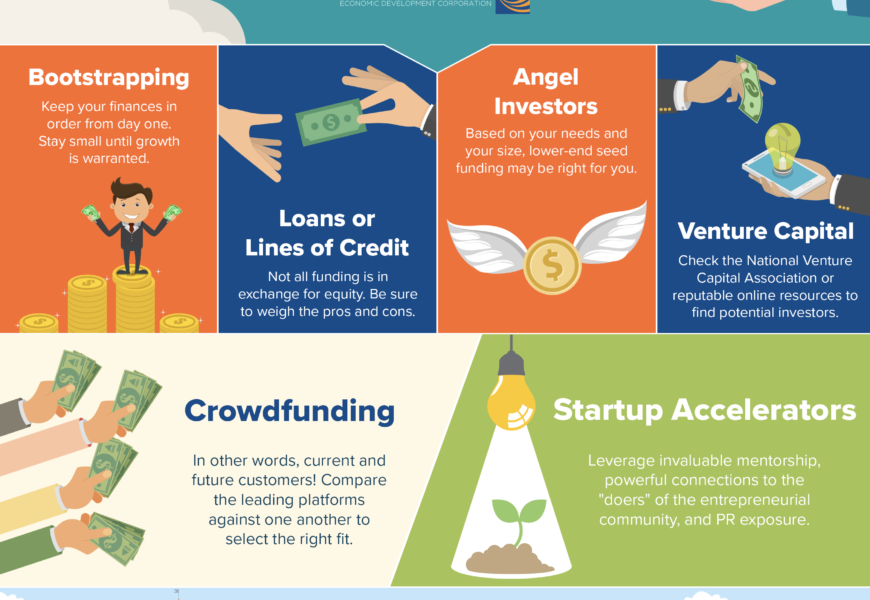
For high-growth startups, venture capital continues to play a significant role, especially in technology, climate tech, and healthcare sectors. However, the bar for VC funding has risen considerably. Investors are no longer satisfied with growth narratives alone; they want clear paths to profitability, defensible competitive moats, and capital efficiency. This shift has forced many founders to reconsider whether venture funding is the right fit for their business model, or whether alternative routes better align with their long-term vision.
Angel investors, meanwhile, remain an important source of early-stage capital, particularly in consumer-facing industries and local businesses. Platforms that facilitate angel syndicates have made it easier for smaller checks to combine into meaningful rounds, democratising access to professional-grade startup funding that was once reserved for the most well-connected founders.
**Government Grants and Incentive Programmes**
A frequently overlooked category, government grants offer non-dilutive capital that does not require giving up equity. In 2026, programmes focused on green technology, regional development, and workforce training have expanded significantly. The EU’s Industrial Accelerator Act, while primarily targeting large-scale manufacturing, includes provisions for small businesses that demonstrate innovative approaches to sustainable production. In the United States, the Small Business Administration has expanded its 7(a) loan guarantee programme, making it easier for lenders to approve applications from businesses in underserved markets.
**Alternative Lending and Revenue-Based Financing**
The emergence of revenue-based financing as a mainstream option has been one of the more significant developments in small business funding. Unlike traditional debt, these arrangements tie repayment to actual revenue, removing the pressure of fixed monthly payments during slow periods. For businesses with predictable top-line growth but irregular cash flow patterns, this structure can be transformative.
Merchant cash advance providers and invoice factoring services also continue to serve the short-term liquidity needs of businesses that cannot wait for traditional bank underwriting timelines. While these options tend to carry higher effective costs, they fill a genuine gap for entrepreneurs who need capital quickly and have exhausted other avenues.
**Choosing the Right Path**
No single funding source is universally superior. The right choice depends on the business stage, industry, growth trajectory, and the founder’s comfort with dilution or debt obligations. Entrepreneurs who invest time in understanding the trade-offs between different instruments—and who build relationships with lenders before they urgently need capital—will find themselves far better positioned when opportunities arise.