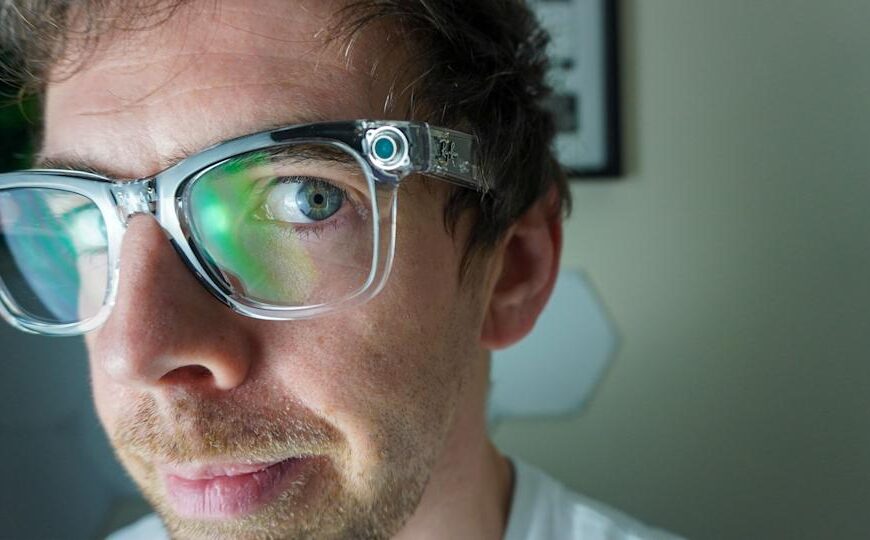
Meta has officially launched its prescription-ready Ray-Ban smart glasses, with the April 14, 2026 ship date bringing AI-powered wearable technology to the mainstream eyewear market for the first time. The glasses, priced starting at $499 for prescription models, represent a significant step forward in making AI assistance a hands-free, always-available experience integrated into daily life.
The launch addresses one of the biggest barriers preventing mainstream adoption of smart glasses: the assumption that users who require vision correction cannot use the technology without dealing with cumbersome workarounds or sacrificing their prescription eyewear entirely.
**What Makes These Glasses Different**
The prescription models feature lens inserts compatible with individual corrective prescriptions, meaning wearers no longer need to choose between seeing clearly and accessing AI assistance. The glasses retain all features from the standard Gen 2 models—including built-in cameras, open-ear audio, and Meta AI integration—while accommodating prescription lenses from partnered optical providers.
Meta has also introduced new colour options across the Ray-Ban Meta lineup, including updated styles in the Oakley Meta HSTN and Vanguard collections, signalling the company’s intent to position smart glasses as a fashion-forward technology product rather than a niche gadget.
The timing aligns with broader AI trends. As large language models become increasingly integrated into daily workflows, the appeal of accessing them without reaching for a phone or sitting at a computer grows correspondingly. Smart glasses offer the most seamless integration available—information delivered conversationally while the user remains present in their physical environment.
**Privacy Concerns Persist**
The prescription launch has reignited privacy debates surrounding wearable cameras and AI assistants. Mark Zuckerberg’s comment that “billions of people wear glasses or contacts for vision correction” has been interpreted as downplaying concerns that smart glasses create new surveillance possibilities that previous eyewear did not.
Advocacy groups argue that prescription smart glasses create unprecedented opportunities for covert recording in places where cameras would otherwise be prohibited. The combination of AI processing that can identify people, read text, and translate languages in real-time with a device that looks like ordinary eyewear presents genuine regulatory challenges that existing camera and microphone laws were not designed to address.
Meta has maintained that built-in indicators—including LED lights that activate during recording—provide appropriate notice to those being filmed. Critics counter that these indicators can be obscured and that existing disclosure norms remain inadequate for emerging technology.
**Market Reception and Competition**
Early pre-order data suggests strong interest, particularly among professionals who could benefit from real-time translation, transcription, and information lookup during meetings or travel. The prescription model specifically targets a demographic previously excluded from smart glasses adoption.
Competitors including Apple, Google, and Amazon are watching closely. Meta’s success—or failure—in scaling prescription smart glasses will inform development strategies across the industry. If the prescription models demonstrate sustained demand, expect competing products within 12-18 months.
**The Bigger Picture**
The launch reflects broader convergence between AI capabilities and everyday consumer devices. As artificial intelligence becomes ambient rather than device-specific, the form factors through which users access it become increasingly important. Smart glasses represent one vision—always-available, hands-free, integrated into physical reality—versus the smartphone approach that has dominated since the iPhone’s introduction in 2007.
Whether prescription Ray-Ban Meta glasses represent the beginning of a mainstream wearable AI revolution or remain a niche product for tech enthusiasts depends on whether everyday users find genuine utility in the experience. The April 14 launch will provide the first real market signal.