The map of digital nomadism is being redrawn. New research from Forbes reveals that 2026 is seeing dramatic shifts in where remote workers and creators choose to base themselves—not simply chasing sunshine or low costs, but seeking destinations that actively accelerate business growth, network building, and income potential.
The cities attracting remote professionals today share specific characteristics: robust infrastructure for remote work, vibrant communities of like-minded professionals, favourable tax regimes, and quality of life that sustains long-term productivity rather than just short-term Instagram appeal.
**Da Nang, Vietnam: Southeast Asia’s Rising Star**
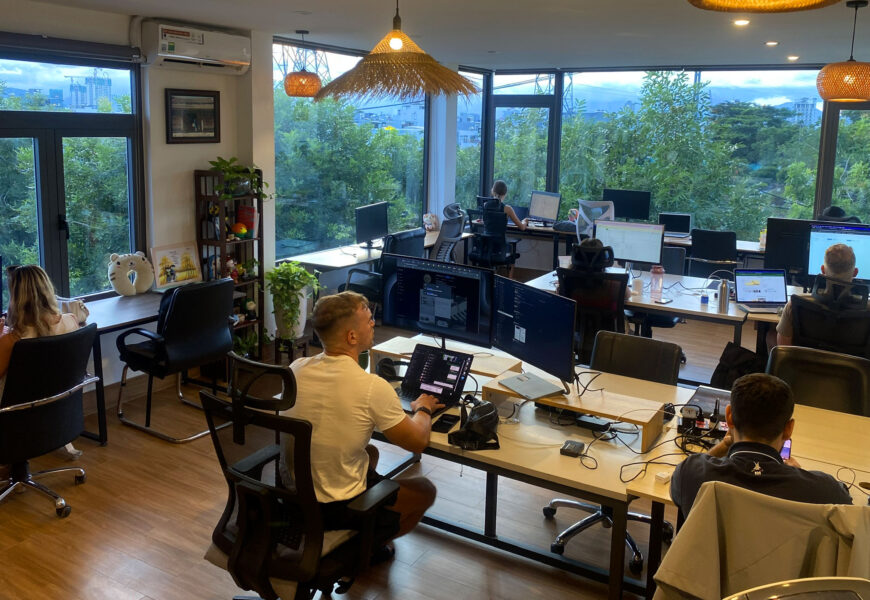
Da Nang has emerged as one of Southeast Asia’s fastest-growing destinations for digital nomads, offering a rare combination of affordability, safety, and rapidly improving infrastructure. The Vietnamese coastal city provides affordable co-working spaces, a growing expat community, and direct flight connections across Asia.
Monthly costs remain significantly below regional rivals like Bangkok or Bali, with quality apartments available for $400-600 per month and co-working spaces charging as little as $100 monthly for unlimited access. Internet speeds have improved dramatically, with most cafes and co-working spaces now offering connections exceeding 100 Mbps—adequate for video calls, cloud work, and streaming.
**Cape Town, South Africa: Creative Powerhouse**
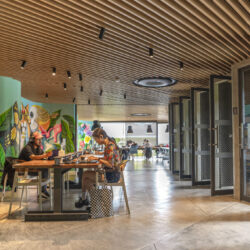
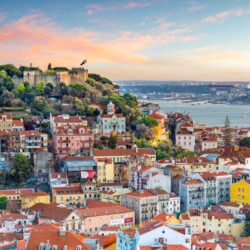
Cape Town has established itself as a standout destination for digital nomads and creators, blending natural beauty with surprisingly strong remote work infrastructure. The city offers world-class co-working ecosystems, reliable power and internet, and a favourable time zone overlapping with both European and American business hours.
The South African rand’s weakness against major currencies makes Cape Town exceptionally affordable for foreign remote workers, while the city’s creative energy attracts designers, writers, and content creators from across the globe. Adventure opportunities—surfing, hiking, wine country tours—provide essential work-life balance that keeps creativity flowing.
**Austin, Texas: America’s Creative Hub**
On the other side of the Atlantic, Austin continues to attract digital nomads drawn by Texas’s business-friendly environment, lack of state income tax, and proximity to major tech companies. The city’s South by Southwest festival has cemented its reputation as a centre for technology, music, and film innovation.
The presence of major employers—including Apple, Tesla, and numerous startups—creates networking opportunities rarely found in smaller nomad destinations. For American remote workers seeking domestic options, Austin offers cultural amenities and career connections without sacrificing remote work flexibility.
**Southeast Asia’s Established Favourites**
Cities like Bali, Chiang Mai, and Bangkok continue to attract digital nomads, but 2026 data shows interest shifting toward secondary cities that offer similar advantages with less crowding. The economics of remote work have evolved—today’s location-independent professionals prioritise destinations that help them earn more, not just spend less.
**The Common Thread**
What unites these top destinations? Access to stable, fast internet. Vibrant communities of remote workers and creators. Reasonable costs that allow savings without sacrificing quality of life. Reasonable visa arrangements for longer stays. And critically, infrastructure that supports not just survival but genuine business growth.
The message for aspiring digital nomads: 2026 rewards strategic location choices over impulsive ones. Choose where you can build sustainable income, not just affordable living.