—
Oil prices climbed above $97 a barrel on Thursday as skepticism grew over the durability of the ceasefire between the United States and Iran, according to multiple news reports. Asian stock markets retreated in response, reflecting heightened investor anxiety about the stability of one of the world’s most critical shipping lanes.
The ceasefire, announced just days earlier, had initially sparked optimism across financial markets. However, comments from Vice President JD Vance and reports from the Islamic Revolutionary Guard Corps quickly tempered those hopes.
The IRGC stated that shipping through the Strait of Hormuz had slowed sharply and then stopped entirely following Israeli bombardment of Lebanon, raising questions about whether Iran would follow through on promises to reopen the vital waterway.
The Strait of Hormuz is one of the world’s most critical chokepoints for oil shipments, with roughly 20 percent of the world’s oil supply passing through its narrow waters daily. Any sustained disruption to traffic through the strait could send shockwaves through global energy markets, driving prices higher for consumers and businesses alike.
Market Reaction to Ceasefire Uncertainty
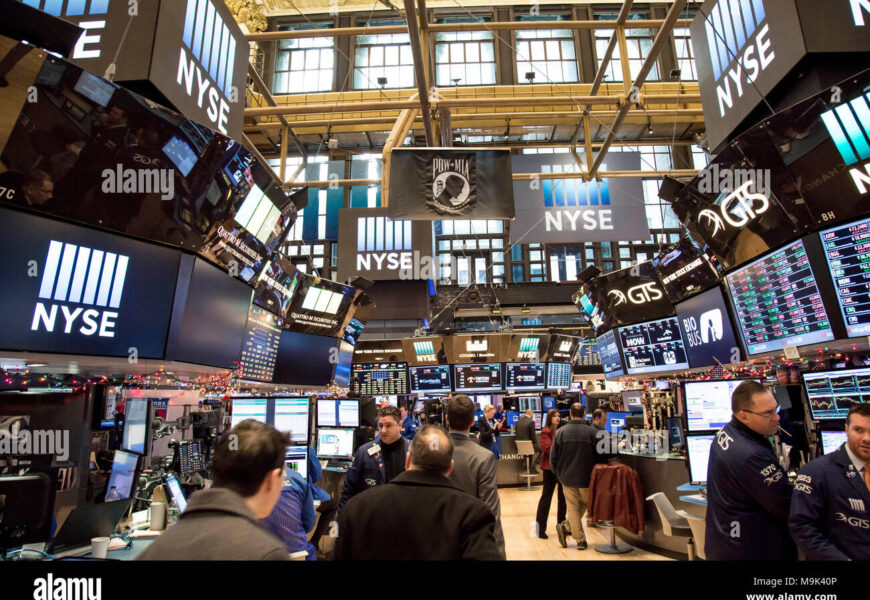
Financial markets responded sharply to the mounting uncertainty. While U.S.
indexes had posted strong gains in the immediate aftermath of the ceasefire announcement, Asian trading showed a more cautious tone. South Korea’s KOSPI and other regional indices slipped as traders weighed the fragile political situation against potential energy disruptions.
The Dow Jones Industrial Average had jumped more than 1,300 points earlier in the week following the ceasefire news, with investors cheering the prospect of de-escalation in the Middle East. However, analysts warned that the rally could prove short-lived if ceasefire terms are not fully honoured.
“Oil is the immediate concern,” said one senior energy strategist. “The moment ships start rerouting away from Hormuz, you see shipping costs spike, insurance premiums rise, and refineries begin adjusting supply chains.
That filters through to everything from gasoline prices at the pump to petrochemical costs for manufacturers.”
Geopolitical Dimensions of the Energy Crisis
The situation underscores the deep interconnection between geopolitics and global energy markets. For years, the Strait of Hormuz has been a focal point of tension between Iran and Western powers.
The waterway connects Persian Gulf oil producers including Saudi Arabia, Iraq, Kuwait, and the UAE with the open ocean, making it indispensable to global supply chains.
Israel’s recent bombardment of Lebanon and continued military activity in the region have added layers of complexity to the picture. The IRGC’s statement suggested that the Israeli operations had created conditions that could undermine the ceasefire’s implementation, particularly with regard to freedom of navigation in the strait.
Vice President Vance has stated that if Iran does not follow through on its commitments to reopen the strait, the ceasefire will end. That warning carries significant weight, given that a full breakdown in the agreement could trigger a broader regional conflict with far-reaching economic consequences.
What This Means for Consumers and Businesses
For everyday consumers, sustained tension in the Middle East typically translates into higher prices at the fuel pump. Energy analysts note that oil above $100 per barrel has historically driven inflation higher across developed economies, squeezing household budgets and complicating central bank policy decisions.
For businesses, the picture is mixed. Companies with significant energy costs face margin pressure, while those in the defense, logistics, and shipping sectors may see increased demand for their services.
Airlines and transportation companies are particularly sensitive to fuel price movements, and several carriers have already indicated they are monitoring the situation closely.
The broader uncertainty has also affected prediction markets, where newly created accounts were found to have placed large bets on a ceasefire hours before President Trump’s announcement. While some traders profited from the outcome, the disputed status of certain contracts highlights the ambiguity surrounding the agreement’s terms.
Outlook for Global Markets
Market observers remain divided on where oil prices are headed in the coming weeks. Some analysts believe the ceasefire will ultimately hold, allowing prices to stabilise as supply chains normalise.
Others caution that the underlying tensions between the U.S., Iran, and Israel remain too deep for a durable resolution.
For now, investors appear to be pricing in a risk premium for crude oil, reflecting the possibility of further disruption. The extent to which that premium persists will depend heavily on diplomatic developments and whether the ceasefire arrangements can be implemented without further incident.
Energy markets will be watching closely for any signals from Tehran or Washington about next steps. The coming days will be critical in determining whether the fragile peace holds or whether oil prices face further upward pressure from sustained instability in one of the world’s most consequential regions.