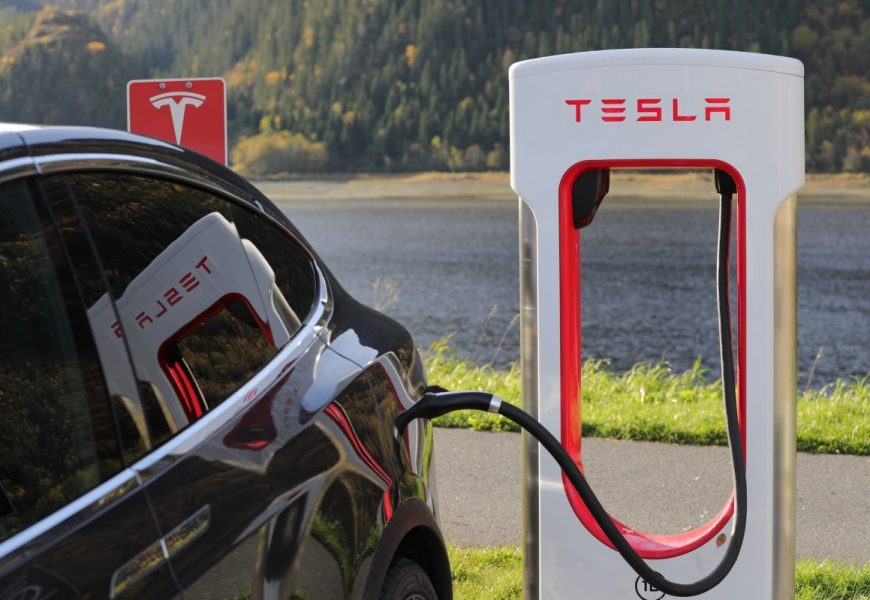
Tesla Sales Decline Signals Tougher EV Market in 2026
Tesla faced a challenging first quarter in 2026 as global sales dropped amid escalating competition across the electric vehicle industry. The company saw its market share shrink in critical regions including Europe and China where local rivals are gaining ground fast.
Industry analysts point to several factors behind the decline. Established automakers are launching competitive EV models while newer entrants offer compelling alternatives at lower price points.
Why Tesla Is Losing Ground to Competitors
Competition in the EV space has intensified dramatically since early 2025. Chinese manufacturers like BYD and NIO are expanding globally with feature-rich vehicles that undercut Tesla on pricing.
European brands including Volkswagen and Stellantis have ramped up their electric lineups. They target the same premium segment Tesla once dominated.
The price wars across the industry have squeezed margins for every manufacturer. Tesla responded with multiple price cuts throughout late 2025 and early 2026 but these moves have yet to reverse the sales trajectory.
Regional Breakdown of Tesla Sales Performance
Europe has been a particularly tough market for Tesla in 2026. Registration data shows a notable decline in countries like Germany and France where local manufacturers enjoy strong brand loyalty.
China once Tesla’s second-largest market has seen the sharpest contraction. Domestic brands now command over 80 percent of the Chinese EV market leaving international manufacturers fighting for the remaining share.
How Tesla Is Responding to Market Pressures
Tesla leadership has acknowledged the challenges and announced several strategic adjustments. The company is accelerating development of a more affordable model expected to launch in late 2026 or early 2027.
Production efficiency improvements and cost reduction measures are being implemented across existing factories. The Cybertruck ramp continues to absorb significant manufacturing resources but volumes remain below initial projections.
Tesla is also expanding its energy storage business. This division provides a more stable revenue stream separate from automotive sales.
What the Sales Decline Means for EV Buyers
For consumers the intensifying competition creates a buyer’s market with more choices and better pricing. Tesla’s price cuts have made its vehicles more accessible while rival brands continue to improve their offerings.
The EV industry is entering a phase where product quality charging infrastructure and after-sales service matter more than brand cachet. Battery technology advancements are narrowing the gap between Tesla and its competitors.
Several rivals now offer comparable range and charging speeds at competitive price points. This levels the playing field and forces Tesla to innovate beyond its early-mover advantages.
Outlook for Tesla Through 2026 and Beyond
Analysts remain divided on Tesla’s near-term prospects. Some believe the company’s technological edge in autonomous driving and software will eventually restore growth.
Others warn that the window for Tesla to establish lasting dominance is closing. Competitors are catching up across every dimension of EV performance.
The second half of 2026 will be critical. New model launches pricing strategy adjustments and regulatory changes around autonomous driving could shift the trajectory.
Investors are watching Tesla’s upcoming earnings reports closely for signs of recovery. The company’s gross margins per vehicle have narrowed but its energy division and Full Self-Driving subscription revenue provide alternative income streams.
A successful launch of the cheaper mass-market model combined with improved profitability could restore market confidence. This would reverse the current downward trend in share price and reaffirm Tesla’s position in the evolving EV landscape.
Supply chain improvements and battery cost reductions are also key priorities for Tesla in 2026. The company’s 4680 cell production is ramping up which should lower manufacturing costs per vehicle over time.
Tesla’s energy storage deployments continue to grow at a rapid pace. Megapack installations have doubled year over year providing a reliable revenue stream as automotive margins face pressure from increased competition across global markets.